Last updated November 21, 2026
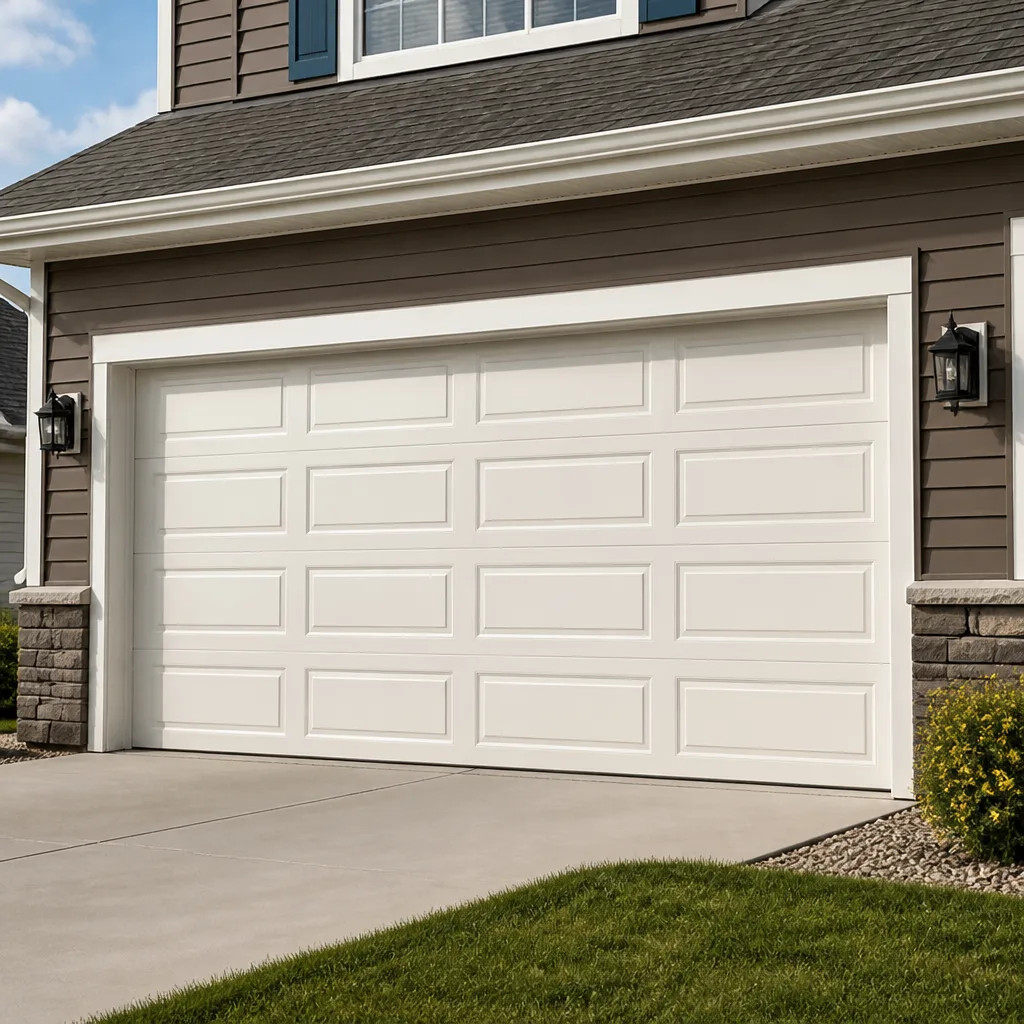 Raised-panel steel
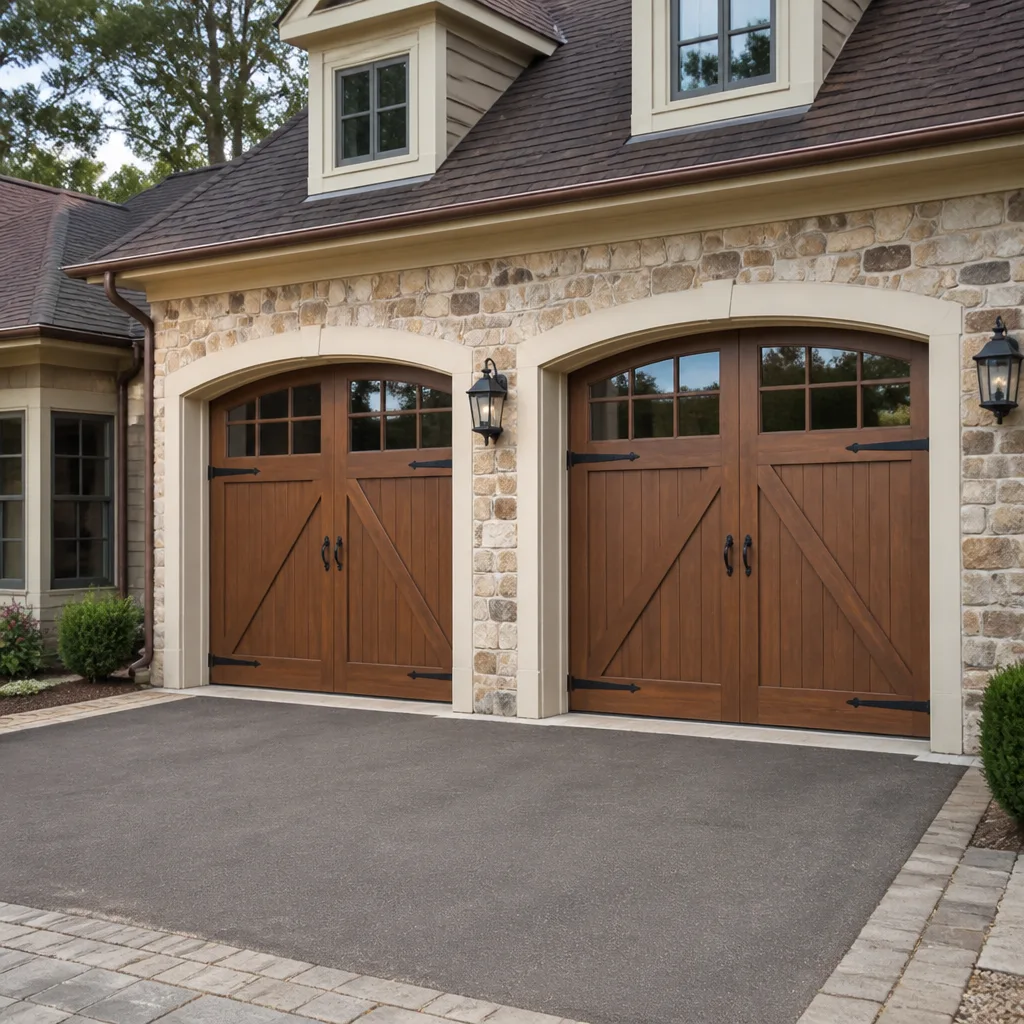 Carriage house
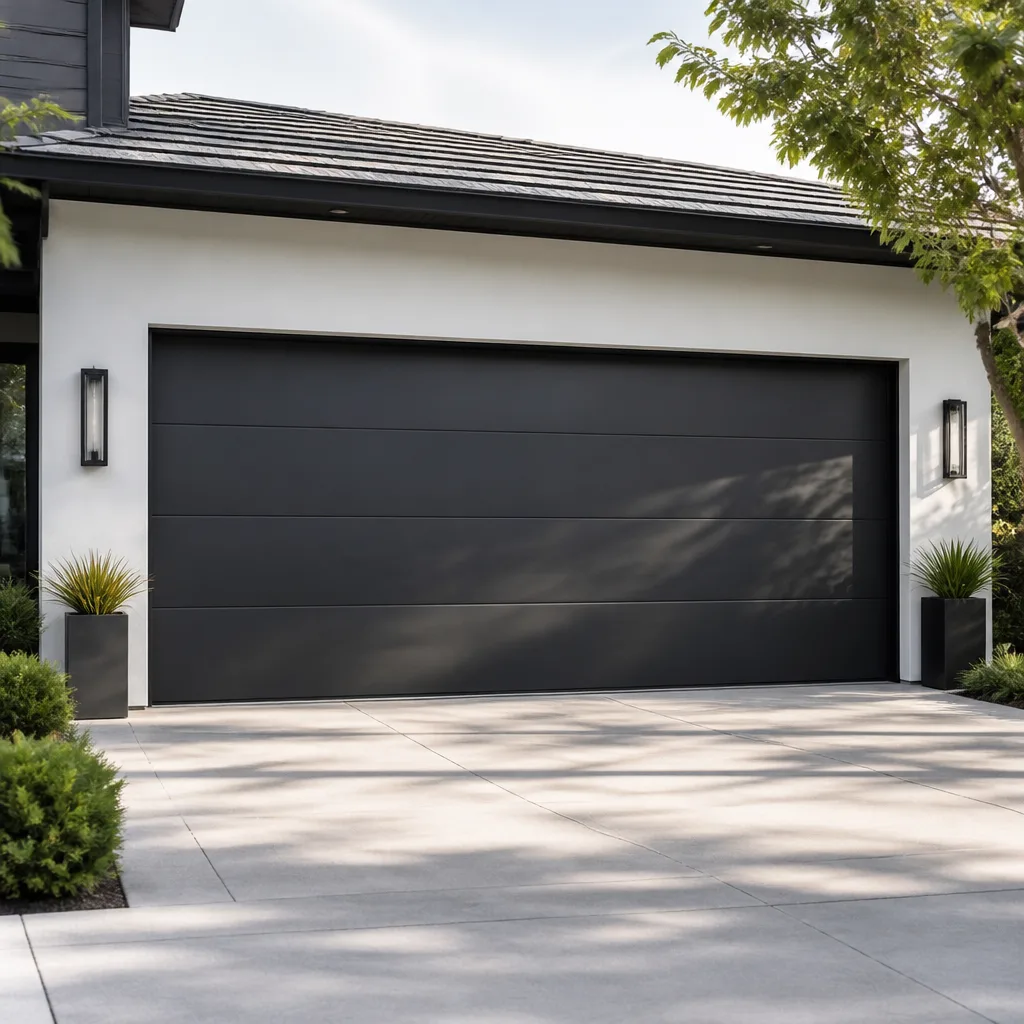 Modern flush
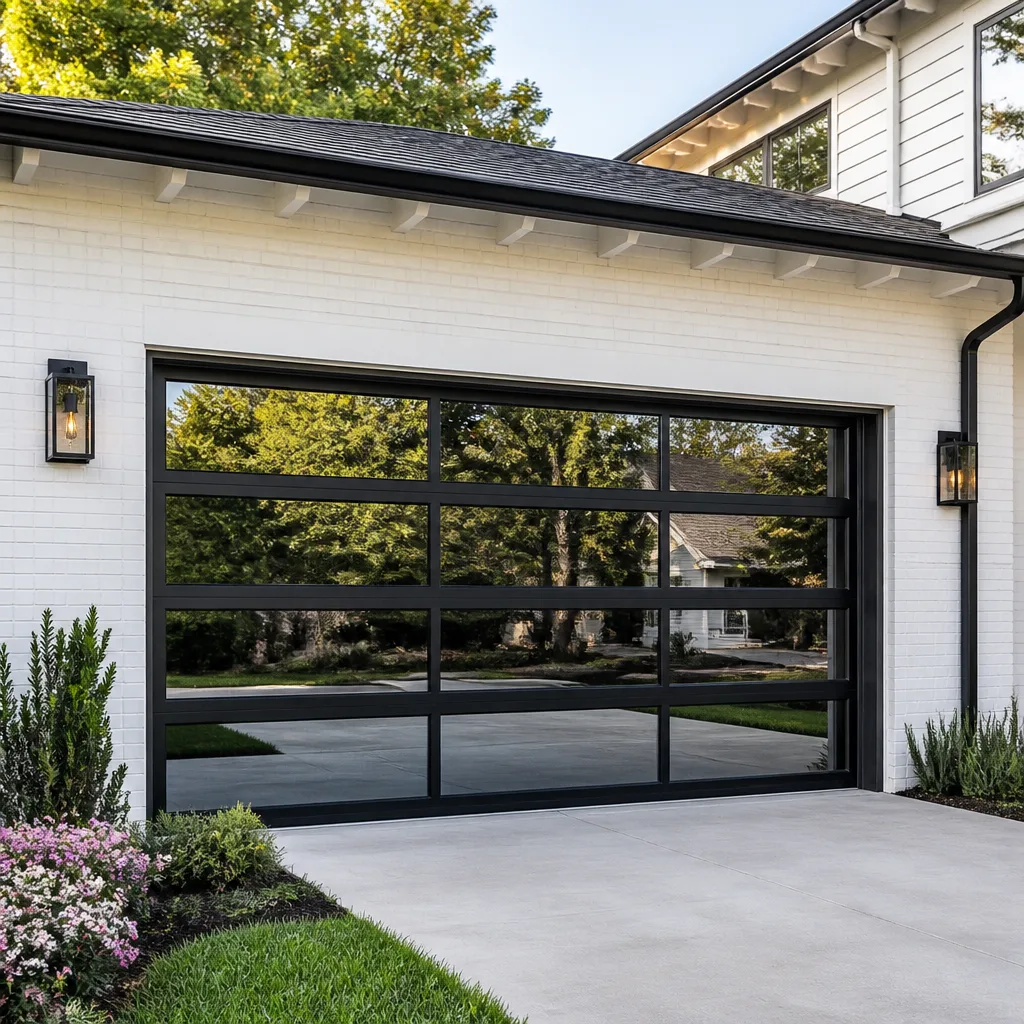 Full-view glass
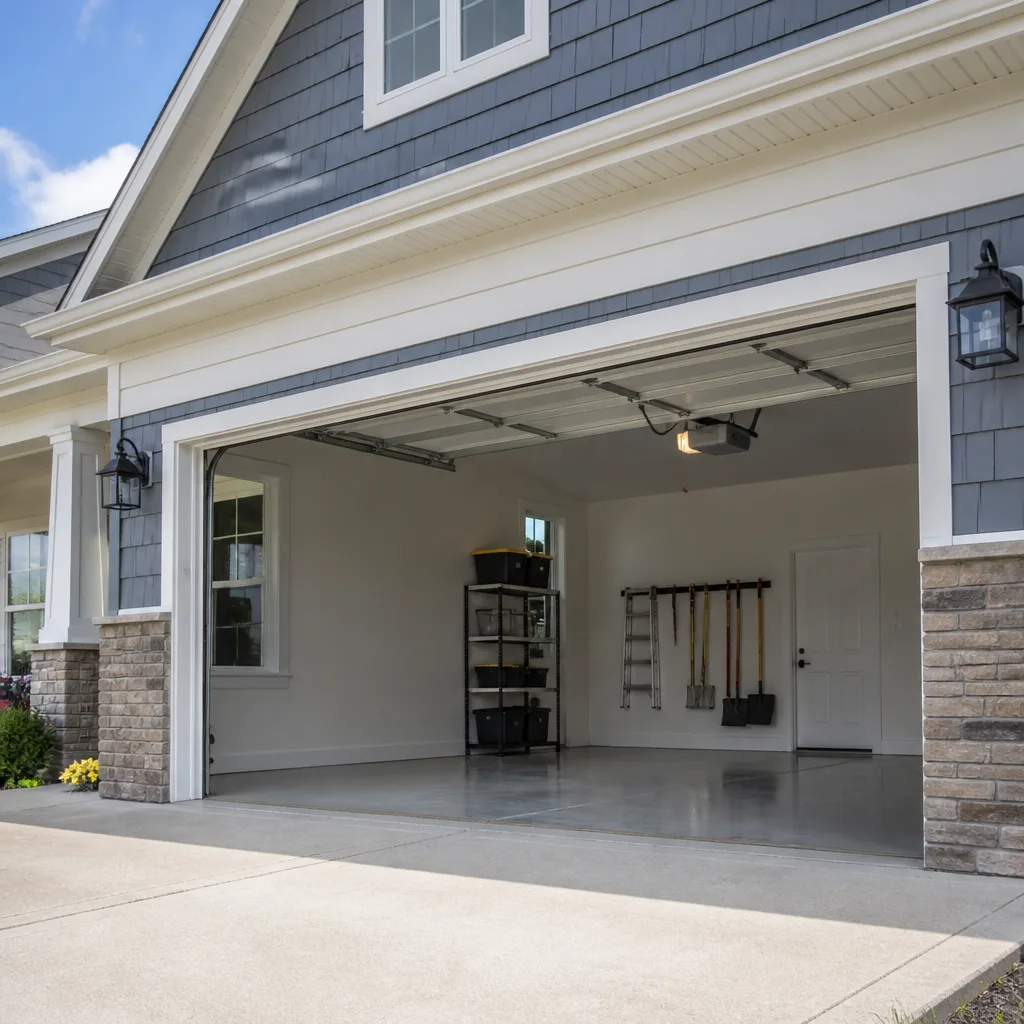 LiftMaster openers
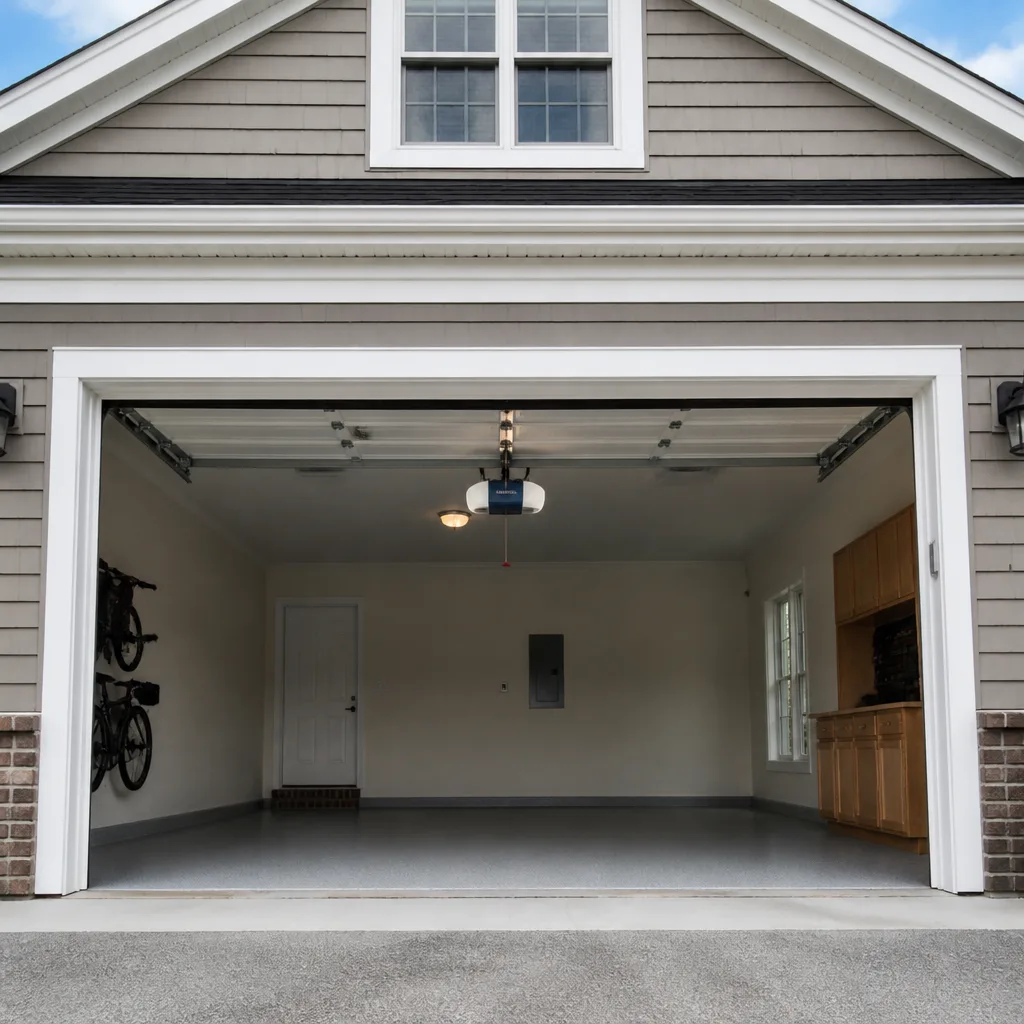 Chamberlain openers
Full 25-point door and opener safety check with every visit - springs, cables, rollers, tracks, and your LiftMaster or Chamberlain opener included
You get a price before we start. It does not change when the pro arrives.
Get your free estimateThe Complete Guide to Garage Doors in Kingfield
Most garage door guides were written for Phoenix or Atlanta, where the coldest night of the year barely dips below freezing. Kingfield is not that place. Here, winter can push toward -30°F, and that single fact reshapes almost everything about how a garage door behaves, how long it lasts, and which parts fail first. The door on your Kingfield home is a mechanical system under stress from freeze-thaw cycles, deep frost, and heavy snow load, not a static panel bolted to a wall. This guide treats it that way. We’ll walk through how cold affects springs and lubricants, why the age of your Kingfield house changes what door will even fit, which materials survive our moisture swings, and why where you buy parts matters more here than in a big city.
Quick Answer
A garage door in Kingfield needs to be chosen and maintained for a cold climate: torsion springs fatigue faster through hard freeze-thaw cycles, steel with a proper finish and insulated construction holds up best against our moisture and temperature swings, and older Kingfield homes often have tight or nonstandard header clearance that limits off-the-shelf door sizing. Get the door sized and specified for your actual opening and the real winter conditions, and it will last far closer to its rated lifespan than a generic replacement will.
Styles & brands we work with
- Raised-panel steel
- Carriage house
- Modern flush
- Full-view glass
- LiftMaster openers
- Chamberlain openers
Table of Contents
- Your Garage Door Is a System, Not a Panel
- How Minnesota Winters Wear Out Torsion Springs
- Why Kingfield Home Construction Eras Change Door Sizing
- Real Door Lifespan in a Freeze-Thaw Climate
- Which Materials Survive Kingfield’s Moisture and Temperature Swings
- Rural Parts Availability and Why Brand Choice Matters Here
- A Cold-Climate Maintenance Routine That Actually Helps
- Repair or Replace? How to Decide
Your Garage Door Is a System, Not a Panel
When something goes wrong with a garage door, most homeowners think in terms of a single broken part. A spring snapped. The opener quit. A panel got bent. But a garage door is really four systems working in tension with each other: the panels, the torsion or extension springs that counterbalance the door’s weight, the tracks and rollers that guide it, and the opener that lifts it. Change one and you change the load on the others. That’s why a door that gets a heavier insulated panel without a matching spring adjustment starts binding within months.
In Kingfield, those four systems each feel the cold differently. The steel panels contract in deep winter. The springs take on more cycles because the door gets opened and closed in temperatures that stress the metal. The lubricant in the rollers thickens. And the opener motor works harder because everything downstream of it is stiffer. If you only fix the part that broke without looking at how the whole system is behaving, the fix rarely holds through a full Kingfield winter.
This is also why “same door, fixed right” matters. A good technician diagnoses the whole system, not just the symptom. Here’s how a professional walkthrough usually goes:
- Check the balance of the door by hand with the opener disengaged.
- Inspect spring condition, cable wear, and drum alignment.
- Test roller and hinge movement and listen for grinding.
- Check track plumb and any bend from a minor impact.
- Verify opener force settings and safety reverse.
That sequence tells you whether you’re fixing one part or correcting a load problem that will break the next part in line. For a standalone repair visit, our garage door repair service covers the full inspection before any part is quoted.
How Minnesota Winters Wear Out Torsion Springs
Torsion springs are rated in cycles, not years, and a cycle is one open plus one close. A manufacturer’s cycle rating is measured under controlled conditions, usually at mild temperatures. Kingfield winters don’t offer mild temperatures. Through a hard freeze the spring steel becomes less ductile, the door gets heavier to lift as seals stiffen, and the spring does more work per cycle than it would in a warmer climate. The result is that a spring rated for a set number of cycles can reach that count sooner than a homeowner in a milder place would expect.
There’s a second factor specific to this region: wide temperature swings within a single week. A Kingfield January can move from a deep overnight low to a thaw and back in a few days. Each of those swings flexes the spring and the cables. Metal that is repeatedly flexed through a wide temperature range fatigues faster than metal held at a steady temperature. That’s the quiet reason spring failures here so often seem to cluster in the coldest weeks and the first warm snap after.
We want to be direct about the danger, because spring repair is the one job on a garage door that genuinely injures people. Torsion springs are under extreme tension. A winding bar that slips, a cable that lets go, or a spring that releases while someone is near it can cause serious injury. This is not a job to attempt with hand tools from a hardware store. Spring repair done safely means a trained technician with the right winding bars, the door properly secured, and the tension released in a controlled way. Our technicians have up to 10 years of experience and handle spring work as a specialty. If a spring has snapped, call us rather than working around it.
One pricing note that matters: springs are almost always replaced as a matched pair, because if one has failed the other is at the same point in its life. A pair costs about twice what a single spring does. When you get an estimate, confirm whether it’s quoted per spring or for the pair.
Why Kingfield Home Construction Eras Change Door Sizing Options
In newer subdivisions, garage openings tend to follow a standard, which makes replacement straightforward. Kingfield is a mix of home eras, and that mix is the single biggest reason a “standard size” door doesn’t always drop in. The opening’s width, the height from floor to header, and the amount of clear space above the header all vary depending on when the house was built and how the garage was framed.
The critical measurement is header clearance, the space between the top of the garage opening and the ceiling or the first obstruction above it. A torsion spring system needs room to mount and to be serviced. A low-clearance opening may only accept a low-headroom setup or a different spring configuration. Get that wrong and you either can’t install the door you ordered or you fit it in a way that’s difficult to service later.
Older Kingfield garages also sometimes show settling, which can throw the opening slightly out of square. A door that’s perfectly rectangular won’t seal against an opening that isn’t. A proper measure catches this before the order is placed. This is why installation work here is measured and scheduled rather than rushed: the door has to be ordered to the actual opening. Here’s what a real measure covers:
- Opening width and height at multiple points, to catch sag or settling.
- Headroom above the opening for the spring and track.
- Side clearance for the vertical tracks.
- Backroom, the distance from the opening to the deepest point the door travels.
- Whether the ceiling is finished, since that affects how hardware mounts.
If you’re weighing a full replacement, our garage door installation page explains how the measure and written quote work. The written estimate is what sets the final price, so nothing gets ordered until you’ve agreed to it.
Real Door Lifespan in a Freeze-Thaw Climate
Manufacturer lifespan estimates are a starting point, not a promise, and they assume a gentler climate than Kingfield delivers. A door’s moving parts, springs, rollers, hinges, and cables, bear the brunt of our winters, while the panels themselves usually hold up well if the finish is intact. The honest way to think about lifespan here is part by part rather than as one number for the whole door.
In a freeze-thaw climate, the components wear on different schedules. Springs are the shortest-lived part because of the cycle and temperature stress we covered above. Rollers and hinges wear from grit and from stiffened lubricant in cold months. Cables can corrode where moisture gets into the strands and freezes. The panels and frame often outlast all of it. That means a Kingfield door frequently reaches the point where replacing the hardware and springs gives it many more good years, long before the panels themselves are worn out.
Several things shorten a door’s life here faster than the calendar:
- Skipping lubrication in fall, so cold-weather friction grinds on rollers and hinges.
- Ignoring a door that’s out of balance, which overloads the opener and the springs.
- A poor bottom seal that lets snow-melt and grit into the track.
- An opener running at max force to compensate for a binding door.
Keep the hardware serviced and the system balanced, and the door stays in service well past the point where a neglected door in the same climate starts failing part after part.
Which Materials Survive Kingfield’s Moisture and Temperature Swings
The right material for a Kingfield door is one that handles both cold and moisture without warping, swelling, or letting the finish fail. Every material has a trade-off, and the choice usually comes down to how insulated you want the door and how much maintenance you’re willing to do.
Steel is the most common choice for good reason. It’s strong for its weight, insulates well when built with a foam core, and stands up to temperature swings without changing shape. The weak point is the finish: any scratch or chip that exposes bare steel will rust faster in a wet, freeze-thaw climate, so touch-up matters here more than in a dry region. A properly finished steel door, insulated, is a strong fit for most Kingfield homes.
Aluminum won’t rust, which is a real advantage with our moisture. It’s lighter, so the springs do less work, but it dents more easily and insulates less well unless it’s built with a thermal break and insulation. For an unheated detached garage it can make sense; for an attached garage you heat, steel usually wins on insulation.
Wood looks great and can be beautiful on the right Kingfield house, but it’s the most demanding in this climate. Wood absorbs moisture, and through repeated freeze-thaw and wet-dry cycles it can swell, warp, and need refinishing on a schedule. If you love the look, plan for the upkeep.
Wood-composite and other engineered materials try to split the difference, giving a wood look with better moisture resistance. They’re worth considering, but ask specifically how the specific product performs through winter, not just how it looks in a showroom.
Whatever the material, insulation value and a solid bottom seal are what keep a Kingfield garage warmer and drier through winter. For opener and door brand questions, our garage door opener repair service can tell you whether your current opener is well matched to the door you have or are considering.
Rural Parts Availability and Why Brand Choice Matters Here
Kingfield sits in a rural part of Minnesota, and that changes the practical side of garage door ownership in ways a city homeowner never thinks about. In a metro area, almost any part for almost any brand is a short drive away. Here, availability depends on the brand. A common, widely installed brand is far more likely to have parts locally or within quick shipping reach than an obscure one. That single fact should shape your brand choice before you buy, not after something breaks in January.
This is why we service the brands that are actually installed on homes around Kingfield rather than forcing a narrow inventory. We work on LiftMaster and Chamberlain openers, Genie and Craftsman units, and doors from Clopay, Amarr, Wayne Dalton, and Raynor, along with the others we cover. The point isn’t to sell you a brand. It’s that when we show up, we already know how that specific system is built, how its safety reverse is set, and where its weak points are likely to be.
Brand-specific knowledge matters most on openers, which have their own electronics, travel limits, and force settings. A generic guess at an unfamiliar opener wastes time and can leave the door unsafe. When your opener fails, knowing the brand up front shortens the fix. If you’re choosing a new door or opener in a rural area, favor a widely supported brand so parts aren’t a wait when you need them most. That’s a large part of why one call covers everything here: the brand on your door is one we’re set up to work on.
A Cold-Climate Maintenance Routine That Actually Helps
A little seasonal upkeep goes further in Kingfield than a maintenance schedule written for a mild climate, because the cold amplifies every small problem. The goal is to catch wear before the first hard freeze turns a stiff roller into a broken one. You don’t need special tools for most of it, and a few minutes twice a year makes a real difference.
Do this before winter sets in:
- Lubricate rollers, hinges, and the spring with a cold-rated garage door lubricant, not general-purpose oil that thickens in the cold.
- Test the door balance by disengaging the opener and lifting the door halfway; it should hold there on its own.
- Check the bottom seal for cracks and replace it if snow-melt can get under the door.
- Clear the tracks of grit and check for any bends.
- Test the opener’s safety reverse with a small object under the door.
- Look at the springs and cables for visible wear, and call a professional if anything looks off.
Repeat the balance and safety checks in spring, when the freeze-thaw season has done its work on the hardware. If the door gets noticeably louder, slower, or starts reversing on its own, that’s a signal to get it looked at before it fails at a bad moment. For a full system check, the team at Garage Door Repair Kingfield can go through all of it.
Repair or Replace? How to Decide
The repair-or-replace decision in Kingfield usually comes down to the panels versus the hardware. If the panels are structurally sound and the finish is intact, most problems, springs, rollers, cables, openers, are repairs, and the door has plenty of life left. If the panels are rusted through, badly dented, or the door has been out of balance long enough to damage the structure, replacement starts to make more sense.
Ask yourself a few questions:
- Are the panels sound, or is the door failing structurally?
- Is this the first major repair, or the third in a short stretch?
- Does the door still seal and insulate well enough for a heated garage?
- Is the opener and spring system matched to the current door weight?
Because springs and openers are replaced independently of the door, a Kingfield door with solid panels can often be brought back to full function for far less than a new door. That’s repair-first thinking, and it’s usually the honest answer. When replacement is the right move, it’s because the door itself is the problem, not just a part on it.
Common Mistakes to Avoid
- Ignoring the cold-climate lubricant step. Summer-weight oil thickens in a Kingfield freeze and grinds on rollers and hinges, wearing them out early. Use a cold-rated lubricant before winter.
- Trusting “standard size” without measuring. Older Kingfield homes often have nonstandard openings or tight header clearance, and a standard door simply won’t fit right. Always measure the actual opening before ordering.
- Replacing only the broken spring. Springs wear as a pair; replacing one leaves the other ready to fail. Budget for the matched pair.
- Choosing an obscure brand for a rural address. Parts for a rare brand can be a long wait here. Favor widely supported brands so a failure doesn’t strand your door for days.
- Cranking up opener force to fight a binding door. That masks a balance problem and overloads the opener and springs. Fix the balance instead.
- Attempting spring or cable work yourself. These parts are under extreme tension and cause serious injuries. This is a job for a trained technician.
- Skipping the bottom seal check. A worn seal lets snow-melt and grit into the track, where it freezes and binds the door. Inspect and replace it before winter.
See the difference
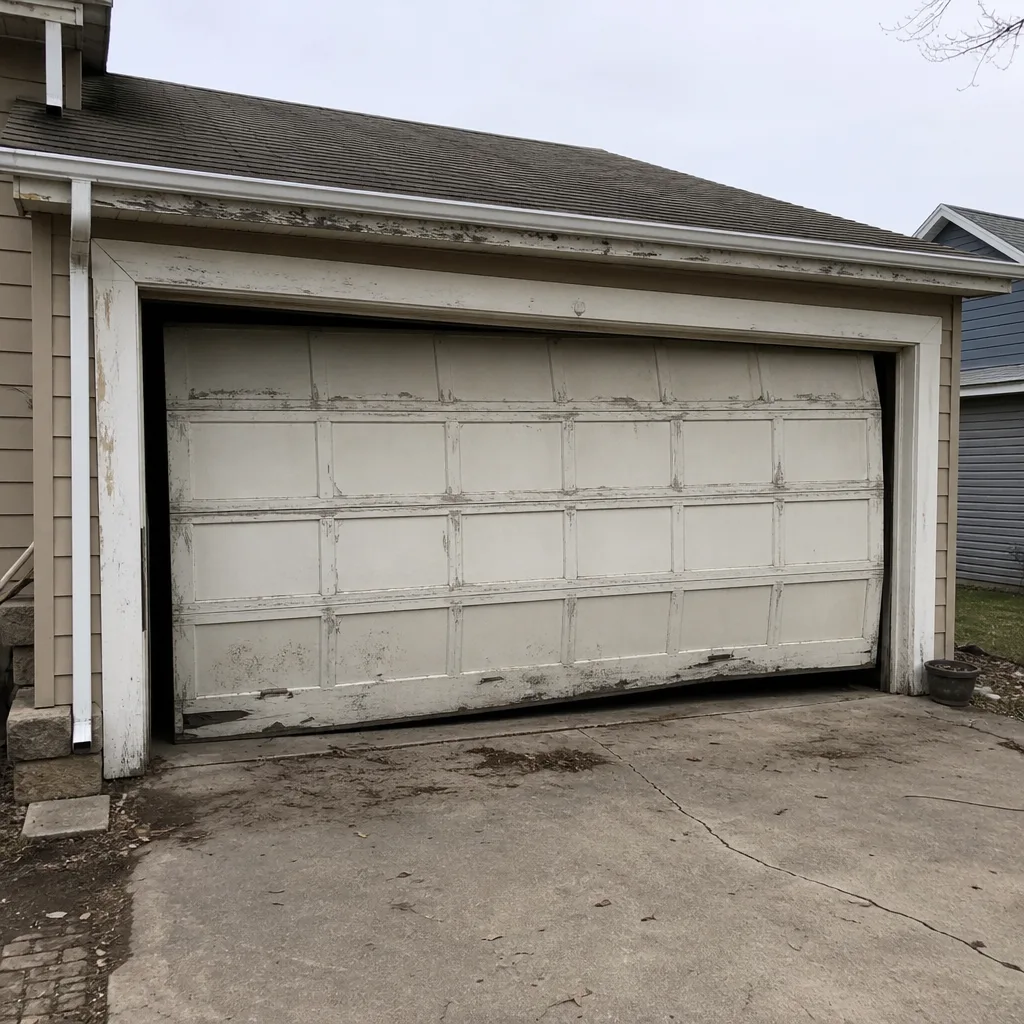 Before
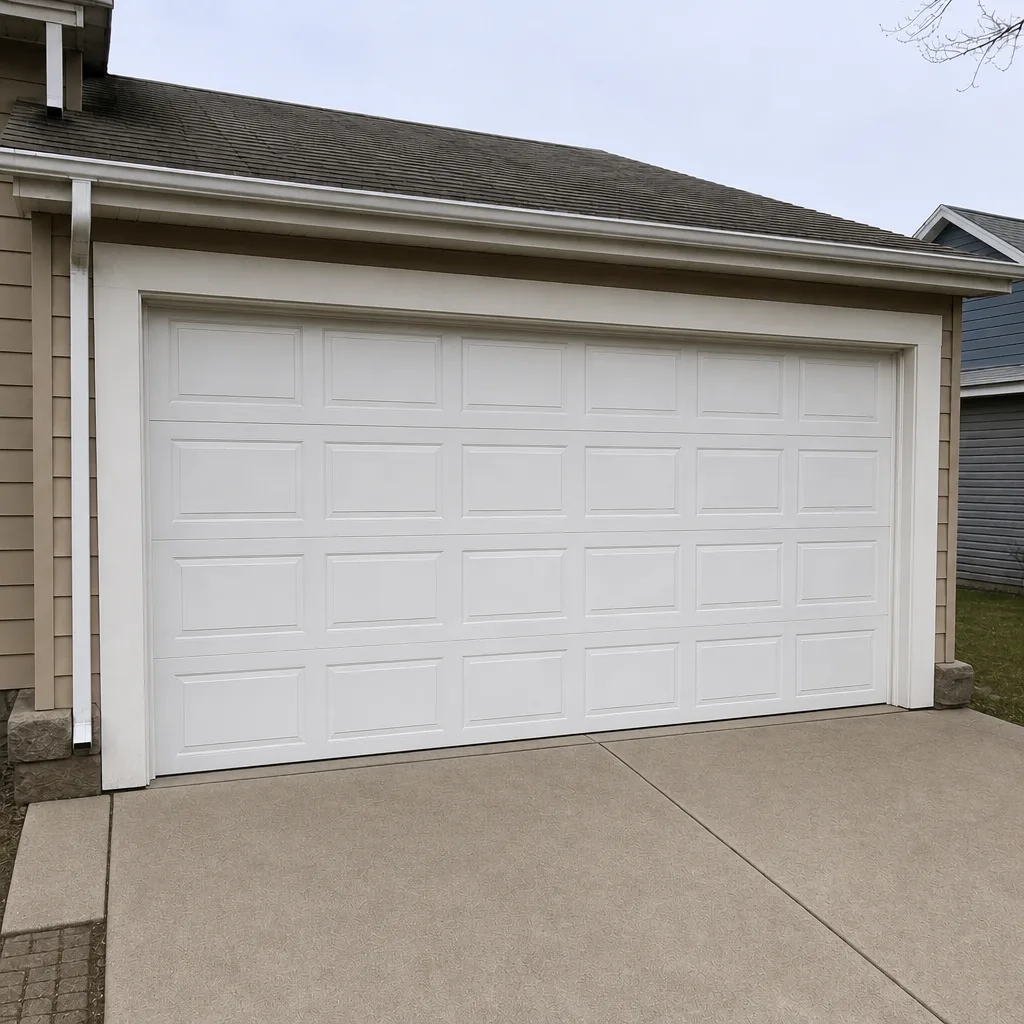 After
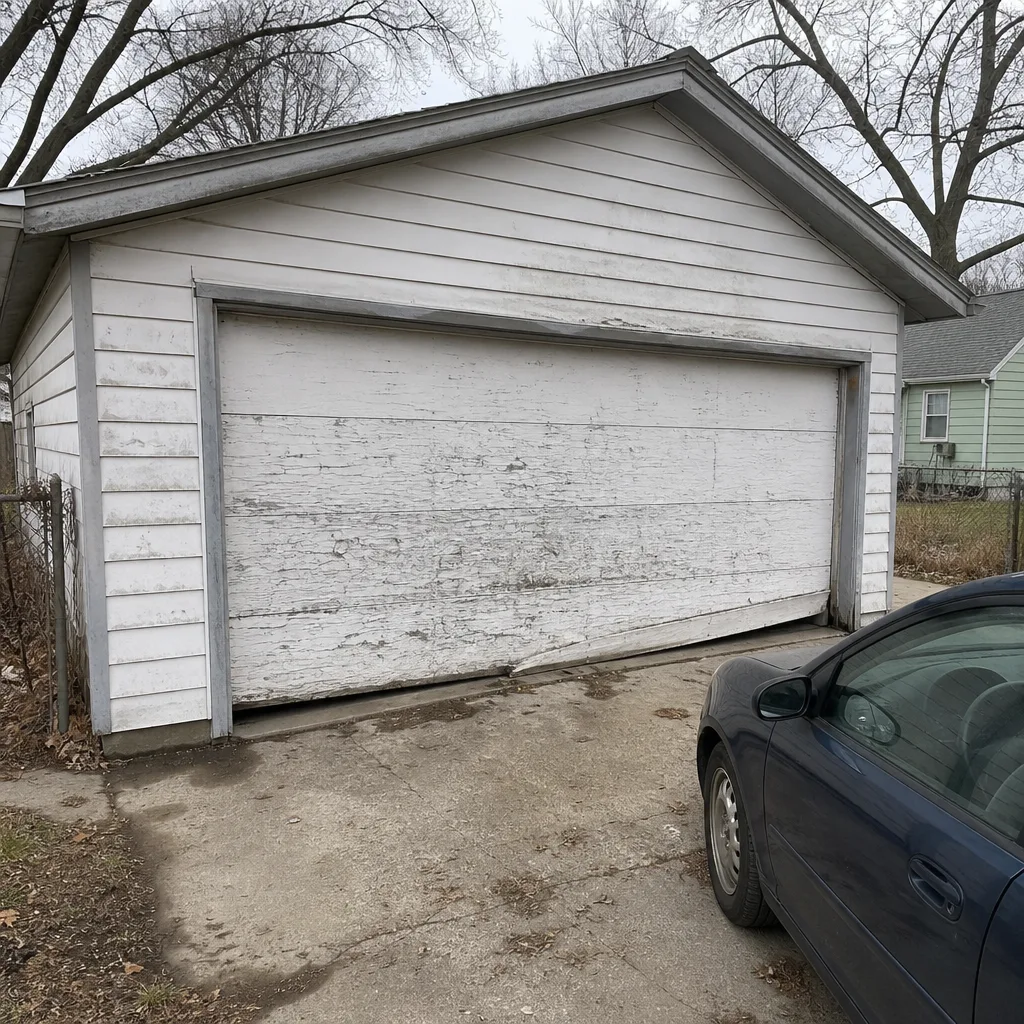 Before
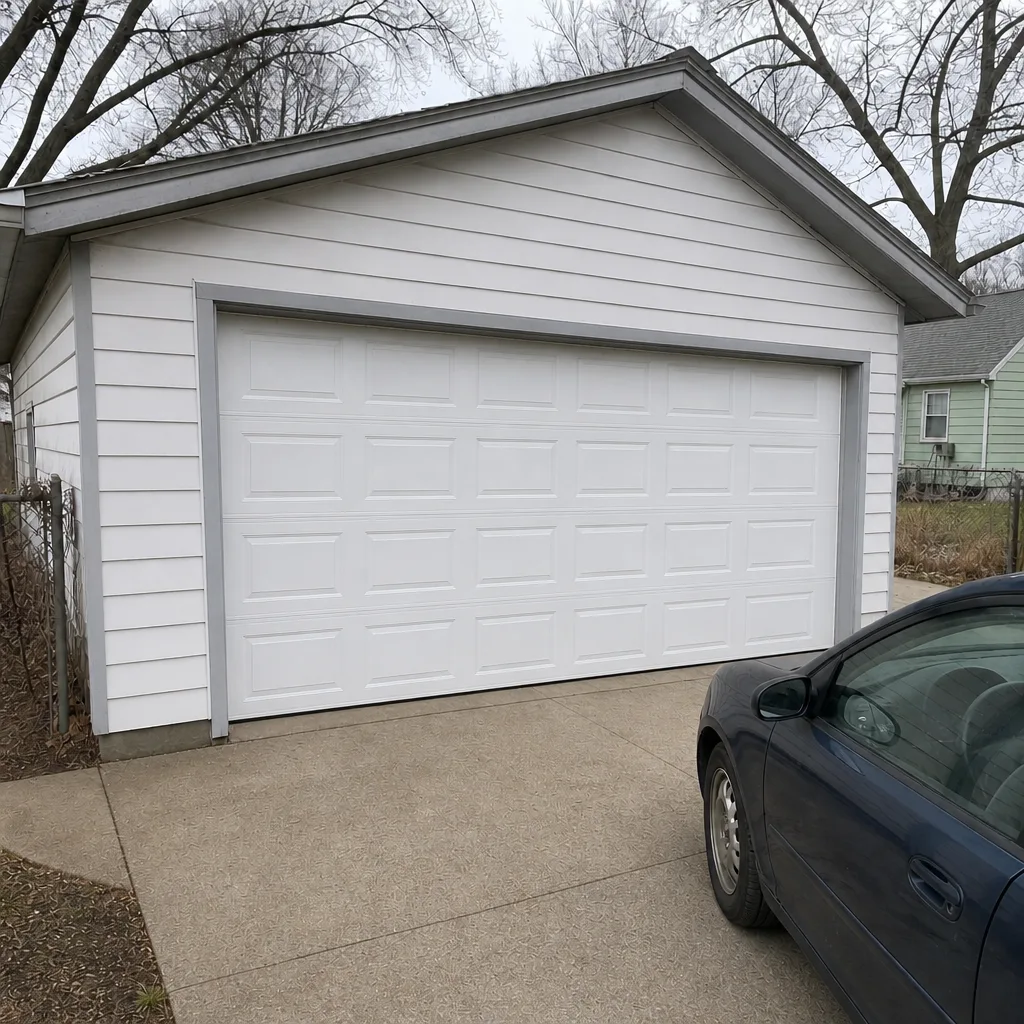 After
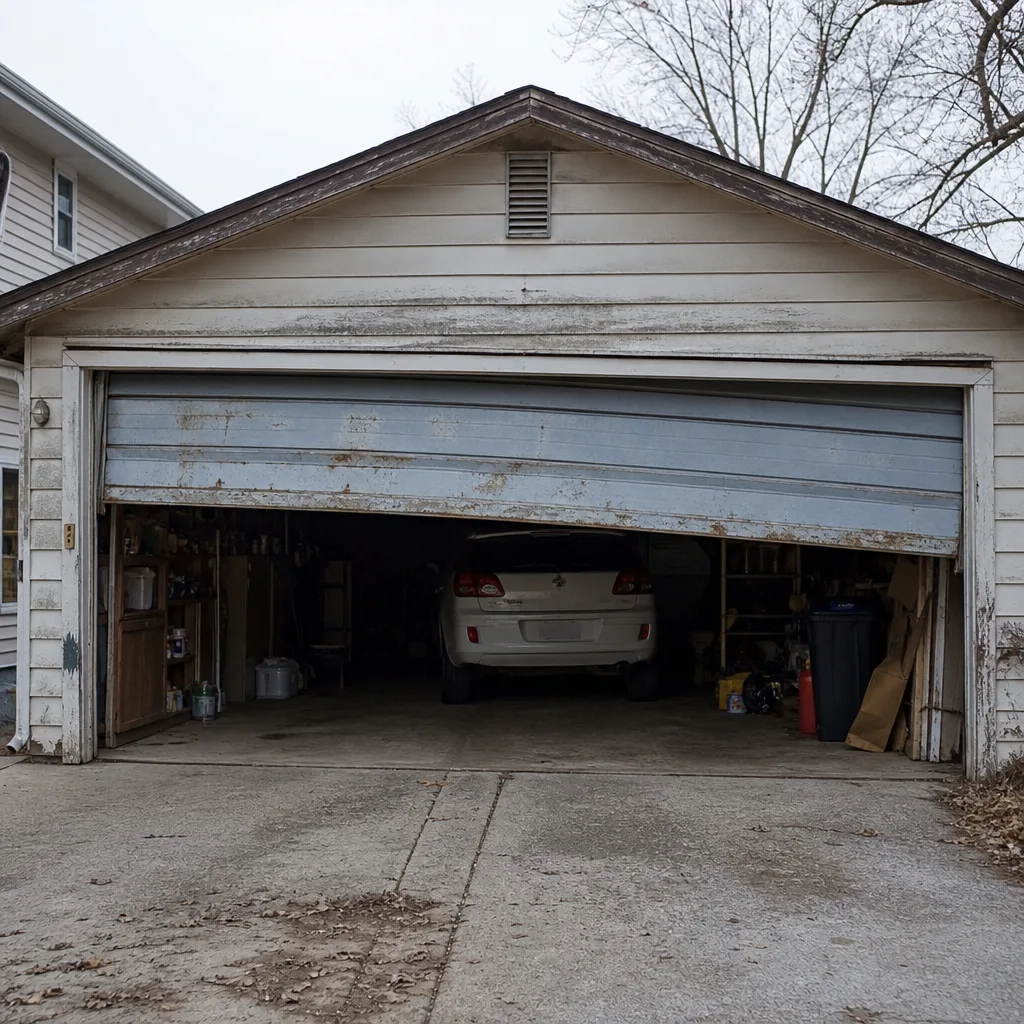 Before
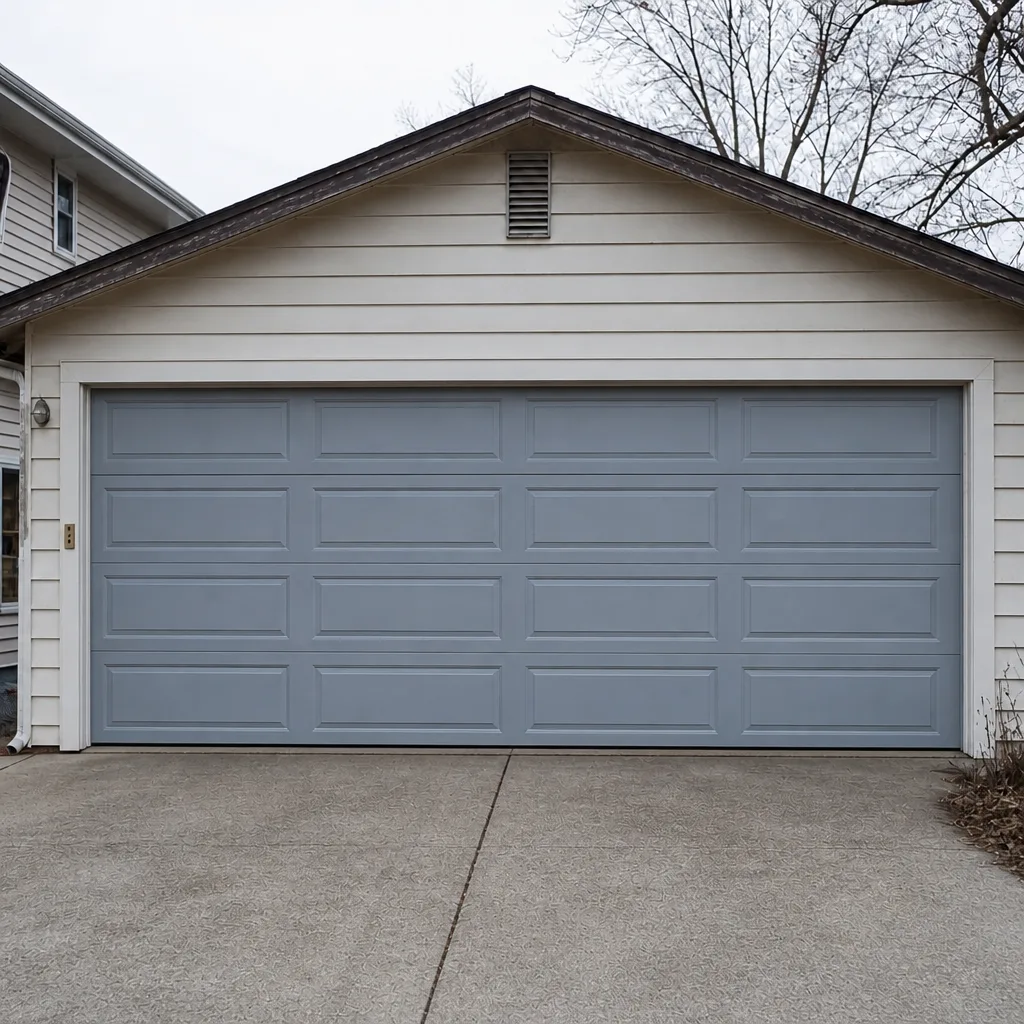 After
When to Call a Professional
Some garage door problems are worth a call right away. A snapped spring, a door that won’t open or close, or a cable that’s come off the drum all call for a trained technician, and in some cases, emergency service. If the door is stuck open and exposed in the cold or won’t close at all, it can’t wait for a routine appointment. Anything involving springs or cables, anything that feels out of balance, and any opener that reverses or behaves erratically are all reasons to stop using the door and get it looked at. We offer emergency service for situations that can’t wait, and free estimates for planned repairs and replacements in Kingfield. Call (877) 492-3659 to get a professional out and a written price before any work starts.
Frequently Asked Questions
Springs are rated in cycles rather than years, and Kingfield’s deep freeze and rapid temperature swings wear them out faster than a mild climate would, so plan for a shorter real-world life than a manufacturer’s cycle rating suggests. When one spring fails, the other is usually at the same point, so replace them as a matched pair. Call (877) 492-3659 for an exact quote, and estimates are free.
An insulated steel door is usually the best all-around fit for a Kingfield home, because it holds its shape through temperature swings, insulates well, and won’t warp like wood. Aluminum resists rust but insulates less, and wood needs regular refinishing in this moisture. The finish on steel matters most here, so keep scratches touched up to prevent rust.
Often not without a custom fit. Older Kingfield homes frequently have nonstandard openings or limited header clearance, so a standard door may not drop in. The fix is a proper on-site measure of the opening, headroom, and side clearance before the door is ordered, so the door is built to the actual opening.
Cold stiffens the seals, thickens lubricant, and makes the whole system harder to move, so the door feels heavier and the opener works harder. If it’s a big change, the door may be out of balance or a spring may be weakening. A balance check and cold-rated lubrication usually help, and a professional can confirm whether a part is failing.
We service the widely installed brands, including LiftMaster, Chamberlain, Genie, and Craftsman openers, plus doors from Clopay, Amarr, Wayne Dalton, Raynor, and more. Brand-specific knowledge means your specific system is understood, not guessed at. Call (877) 492-3659 with the brand to confirm and get an estimate.
No, the price is quoted and agreed before any work starts. The written estimate sets the final price, so you know the cost before we touch the door. Call (877) 492-3659 for a free estimate in Kingfield.
The Bottom Line
A garage door in Kingfield is a mechanical system under real cold-weather stress, and treating it that way is the whole point of this guide. Springs wear faster through freeze-thaw, materials have to handle moisture and temperature swings, older homes need a proper measure before any door is ordered, and rural parts availability makes brand choice a practical decision, not a cosmetic one. Keep the hardware serviced, favor widely supported brands, and treat spring and cable work as a professional job. Handled that way, a Kingfield door delivers far more service than a neglected one ever will.
Whatever brand is on your door, and whatever the problem, one call covers everything. If you need help with a repair, a replacement, or a full installation in Kingfield, call (877) 492-3659 for a free estimate. The price is agreed before any work begins, and when your door won’t move, we will.
Written by the team at Garage Door Repair Kingfield.