Last updated November 21, 2026
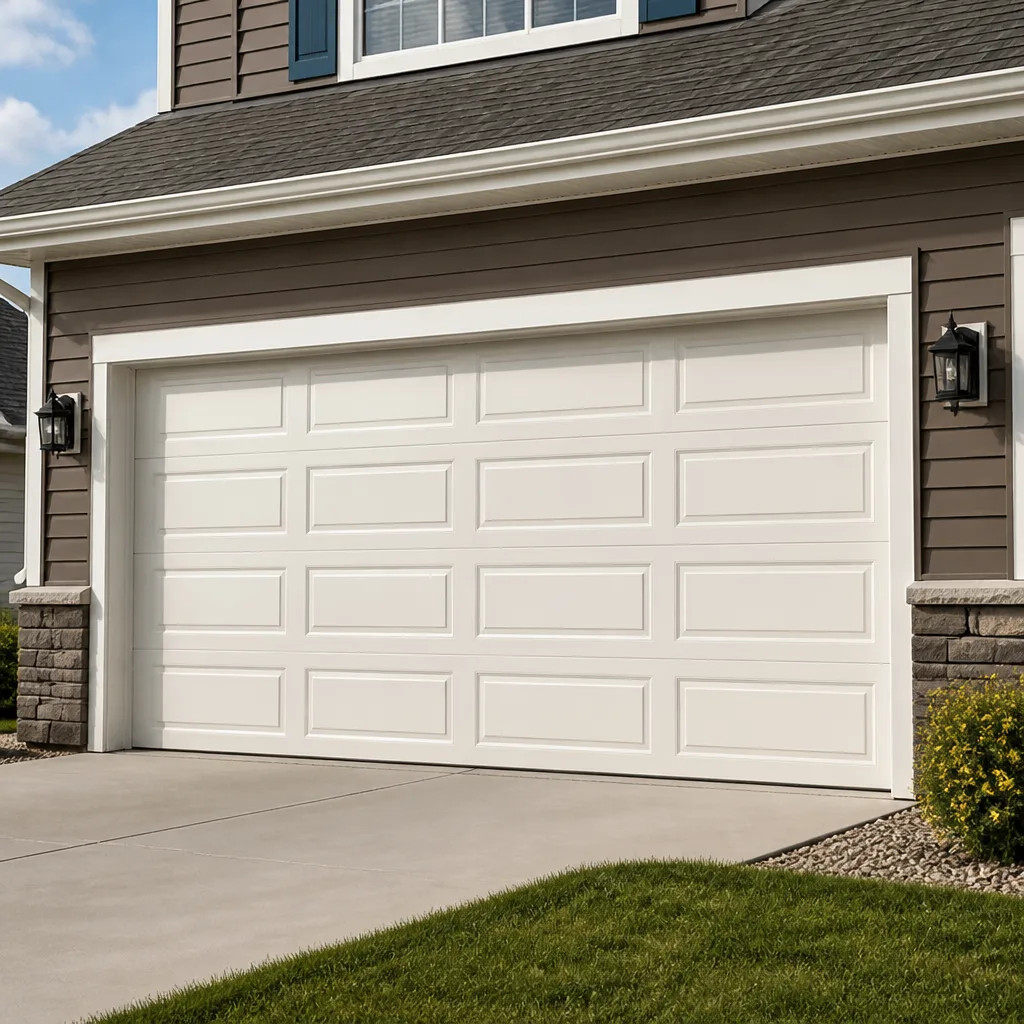 Raised-panel steel
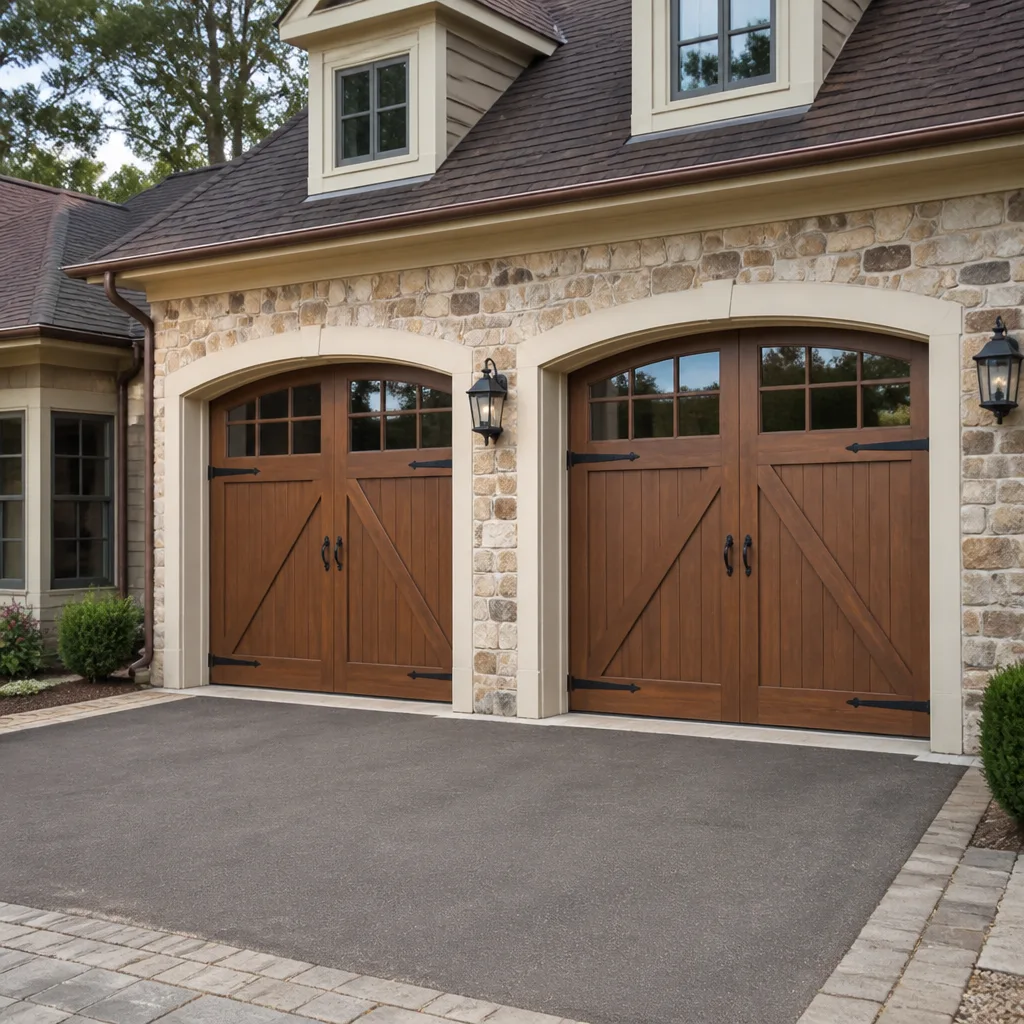 Carriage house
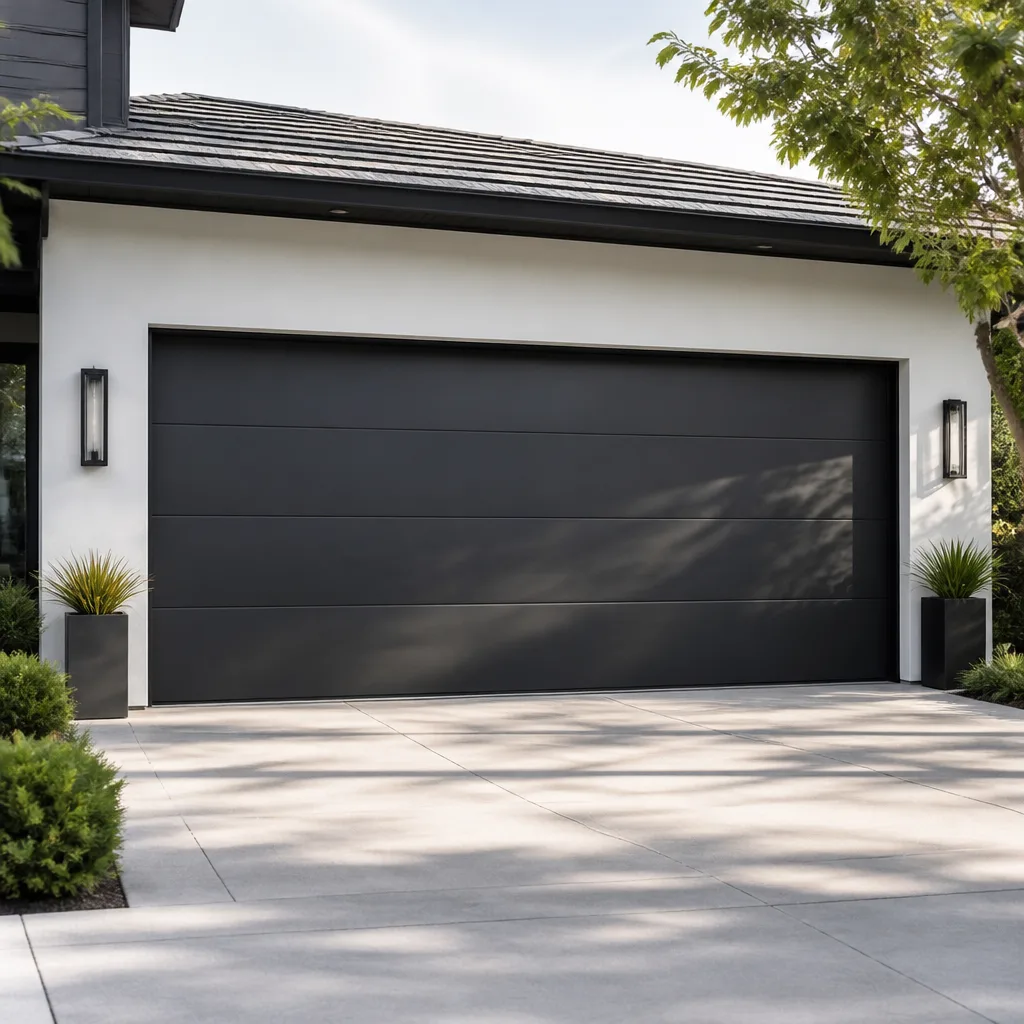 Modern flush
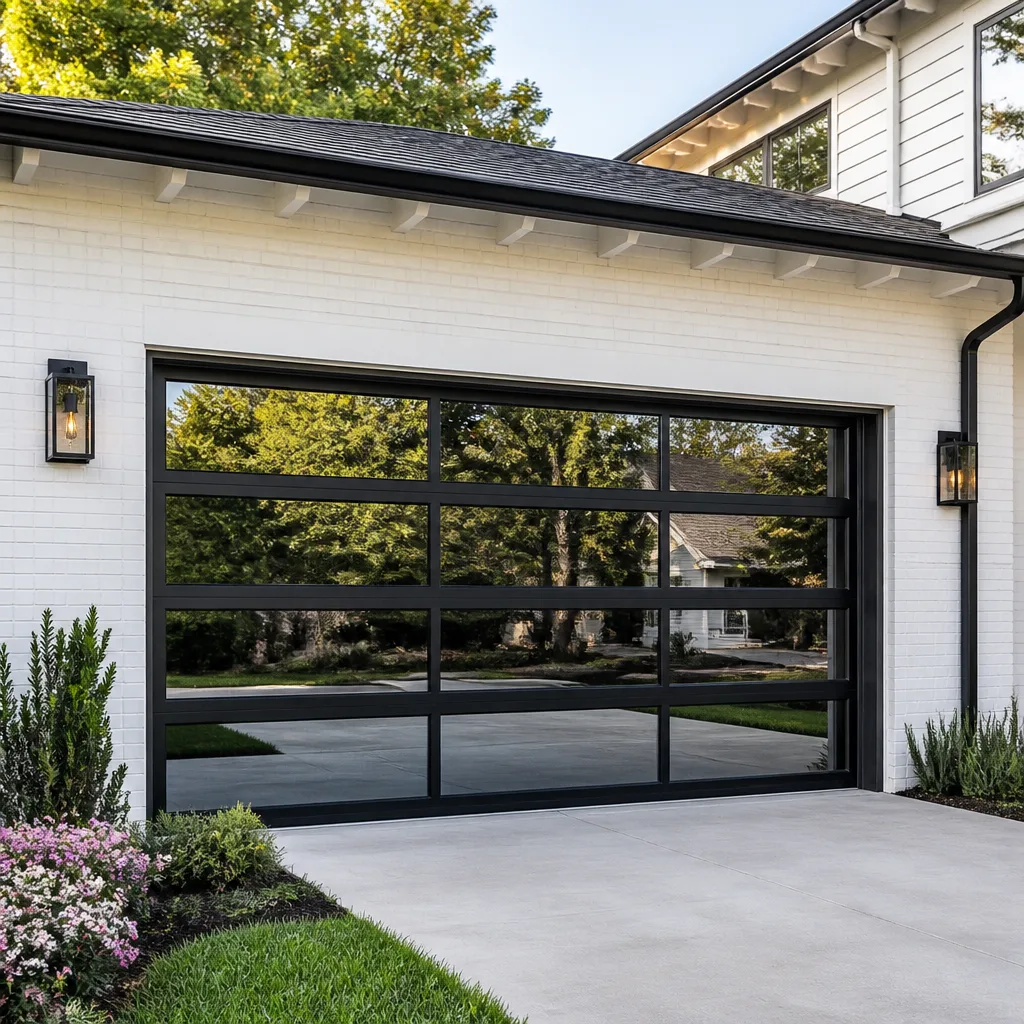 Full-view glass
 LiftMaster openers
 Chamberlain openers
Full 25-point door and opener safety check with every visit - springs, cables, rollers, tracks, and your LiftMaster or Chamberlain opener included
You get a price before we start. It does not change when the pro arrives.
Get your free estimateSeasonal Garage Door Care for Kingfield: Year-Round Homeowner’s Guide
Most homeowners in Kingfield save their garage door maintenance for late fall, right before the first hard freeze. That timing misses the two windows that actually matter most. The freeze-thaw weeks in March and October put more mechanical stress on seals, tracks, and hardware than any single winter month, and almost nobody is paying attention during them. Water works into gaps by day, freezes and expands at night, then leaves behind a slightly different shape of seal, a slightly out-of-line track, a slightly looser fastener. This guide maps Kingfield’s real weather calendar to the specific parts that pay the price, so every task you do ties to a cause rather than a month on a calendar.
Quick Answer
The most important seasonal garage door maintenance in Kingfield happens during the March and October freeze-thaw windows, when the bottom seal, tracks, and fasteners take the hardest hit. Summer humidity strains wood panels and the opener, and pre-winter prep must focus on the right lubricant type, not just any spray can. A 15-minute walk-around at each seasonal change catches most developing problems before they turn into a repair call.
Styles & brands we work with
- Raised-panel steel
- Carriage house
- Modern flush
- Full-view glass
- LiftMaster openers
- Chamberlain openers
Table of Contents
- Why Kingfield’s Freeze-Thaw Weeks Are Peak Season for Damage
- March and April: Bottom Seal Failure and Track Misalignment
- Summer Humidity: What It Does to Wood Panels and Your Opener
- October: The Opener Sensitivity Adjustment Before Hard Freeze
- Pre-Winter Lubricant: Why Standard WD-40 Fails Below -15°F
- The 15-Minute Seasonal Walk-Around
- What Brand-Specific Care Looks Like
- Building a Year-Round Care Calendar
Why Kingfield’s Freeze-Thaw Weeks Are Peak Season for Damage
A freeze-thaw cycle is any stretch where the temperature crosses 32°F twice in a day: melt by afternoon, freeze overnight. Kingfield gets a long run of these in March and October, and they do more cumulative damage to garage door hardware than the deep cold of January. Deep cold is steady. Freeze-thaw is movement. And movement is what wears things out.
Here’s the mechanism. During the day, meltwater runs down the door face and into the gap between the bottom of the door and the driveway slab. It collects in the rubber seal, in the track channel, and around the hinge screws. Overnight it freezes and expands. The seal that was sitting flush now has a small tear or a compressed spot. The track that was aligned now has a slight bow. The lag bolts holding the track brackets have been pushed outward a fraction of an inch.
Do that hundreds of times across a shoulder season and the cumulative effect adds up. The most common consequences we see in Kingfield:
- Bottom seal failure. Cracks, flattening, and separation from the retainers. Once the seal is compromised, cold air and moisture reach the door’s bottom edge and the threshold.
- Track misalignment. A bowed track makes the door work harder on every open and close, and puts uneven load on the opener’s drive system.
- Loose hinge and bracket screws. Repeated expansion and contraction backs fasteners out of the wood or steel they hold.
- Weatherstripping deterioration. The perimeter seal around the door frame gets spongy and stops sealing.
The reason almost nobody catches these during the shoulder seasons is simple: they happen gradually. The door still opens. It just opens a little harder. By the time it stops opening, you’re in a repair, not a maintenance window. If you want a door that doesn’t fail in Kingfield, you watch it in March and October, not December.
March and April: Bottom Seal Failure and Track Misalignment
March and April are the bottom seal’s hardest months in Kingfield. The snowpack along the apron of the garage drains right into the door’s bottom edge, and the overnight refreeze turns that water into an expanding wedge. The seal is doing two jobs at once: keeping heat in and keeping water out. Freeze-thaw attacks both.
What to look for in March and April:
- The seal sits flat against the floor across the whole width. Get down at eye level with the floor and look along the bottom of the closed door. If you can see daylight at any point, or the seal is resting on a ridge of ice, it’s not sealing.
- No visible cracking or stiffening. A healthy rubber seal flexes under a light press. A seal that has been through a dozen freeze cycles can feel hard or crunchy.
- No separation from the retainers. The metal or plastic channel that holds the seal should be snug along the entire bottom edge.
- Tracks are straight and plumb. Sight down each track from the floor. Any bow, kink, or in-and-out deviation needs attention. A bowed track will grind against the rollers and load up the opener.
- Bracket screws are tight. Push the door gently side to side by hand. If the tracks move against the wall, the brackets are loose.
If the seal is failing, replacement is usually a straightforward job. If the tracks are out of alignment, that’s a technician task: a track that is bent back into place by hand often doesn’t hold, and the geometry of a properly aligned track is what keeps the door running quietly and safely. Since we work on Clopay and Amarr doors regularly in Kingfield, we can match the seal and hardware to what’s actually on your door rather than installing a generic part that won’t sit right.
For repair work like this, garage door repair can usually be scheduled quickly. Spring repair and track work are things we handle same-day when the door isn’t safe to operate.
Summer Humidity: What It Does to Wood Panels and Your Opener
Kingfield’s summer humidity affects wood door panels in a way that catches homeowners off guard: it changes the door’s dimensions and loads the opener. A wood panel isn’t a solid piece – it’s boards, stiles, rails, and often a frame-and-panel construction. Wood absorbs moisture from humid air and swells slightly. When the door is built with tight tolerances (as most are), that swell has nowhere to go.
The visible result is often a panel that looks a little wavy or a paint finish that starts to crack along the joints. The invisible result is worse. A swelled door is heavier and less free in its tracks. The opener has to work harder to lift it on every cycle. If your opener is already near the limit of what it can lift, a humid summer is when you start hearing strain: a slower lift, a groan, an occasional reversal before the door reaches full open.
What to check in summer:
- Door balance. Disconnect the opener (pull the release cord) and lift the door by hand to about waist height. It should stay there. If it wants to fall or rise on its own, the springs are out of balance and the opener is compensating – which shortens its life.
- Panel appearance. Cracks at the panel joints aren’t just cosmetic; they let in moisture and accelerate the swelling cycle next year.
- Opener strain sounds. A lift that sounds labored in July that sounded fine in April is telling you something. For anything involving the opener’s electronics or drive system, garage door opener repair covers the belt, chain, motor, and logic board.
- Paint and finish on wood doors. A sealed finish is what keeps the door dimensionally stable. Any crack in the paint is a place for moisture to enter.
A wood door that swells and shrinks every year is on a slow path to needing panel replacement. Keeping the finish intact is the single biggest thing a Kingfield homeowner can do for a wood door. It’s not decorative maintenance – it’s structural.
October: The Opener Sensitivity Adjustment Before Hard Freeze
Before the first hard freeze in Kingfield, one specific adjustment matters more than anything else: opener sensitivity and force limits. This is the setting that tells your opener how much resistance it should tolerate before reversing or stopping. It’s also the setting most likely to cause problems in winter, because cold changes the physics of the door.
Cold thickens the lubricant in the tracks and rollers, stiffens the seals, and increases the door’s rolling resistance. An opener set to the minimum force it takes to move the door in October will hit its limit in January and reverse mid-travel, or stop altogether. The door isn’t broken – the opener is doing exactly what it’s supposed to do when it meets resistance. It’s just set for the wrong season.
Technicians make this adjustment in October in two parts:
- Check the door’s balance first. If the springs aren’t carrying the door’s weight properly, no opener adjustment will fix the problem. The springs do the lifting; the opener only guides.
- Set the force limits with cold in mind. The down-force and up-force limits get adjusted so the door still operates smoothly through the cold months, while keeping the safety reverse function intact. That’s the part homeowners shouldn’t do themselves – a force limit set too high defeats the safety reverse, and a limit set too low strands the door.
If your opener is a Chamberlain or a Genie, the adjustment procedure is specific to the model. We can walk through the settings for your unit or make the adjustment as part of a service call. If your opener is older and the sensitivity controls are already at their limit, an October adjustment may only kick the problem down the road – that’s worth knowing before hard freeze rather than after.
For an opener that needs replacement rather than adjustment, garage door installation covers the full range, including openers matched to the door you have.
Pre-Winter Lubricant: Why Standard WD-40 Fails Below -15°F
The single most common pre-winter mistake in Kingfield is reaching for a can of standard WD-40 on the tracks, hinges, and rollers. WD-40 is a light solvent-based lubricant. It works well at room temperature and it’s excellent for displacing water, which is why it’s in every garage. What it doesn’t do is stay viscous in cold. At temperatures well below zero, it thickens and can leave a gummy residue that actually increases resistance on the door’s moving parts.
What actually works in a Kingfield winter:
- A low-temperature white lithium grease or a silicone-based lubricant designed for cold-weather use. These stay fluid at low temperatures and don’t harden.
- Apply to hinges, rollers, and the torsion spring coils – not to the tracks. Tracks should be wiped clean, not lubricated. Grease on the tracks collects grit and creates drag.
- Avoid silicone sprays on painted surfaces near the door’s finish if you’re not sure of the compatibility; test in a small spot first.
The right lubricant is the one that’s still flowing at -15°F and below. If you read the label and it doesn’t mention a cold-weather temperature range, it’s probably not the right one for a Minnesota winter. Households in Kingfield that get this wrong every year are the ones calling about a door that gets progressively harder to open all winter, then needs a full service in spring.
One more note on the tracks: after cleaning them, check for any burrs, dents, or debris in the channel. A clean, unobstructed track plus the right cold-rated lubricant on the moving parts is the combination that keeps the door quiet and easy through February.
The 15-Minute Seasonal Walk-Around
You don’t need a full inspection to catch most developing problems. A 15-minute walk-around at each seasonal change catches the vast majority of them. Do it in March, June, September, and November, and you’ll rarely be surprised by a failure.
Here’s the routine, in the order that makes sense:
- Look along the bottom seal from floor level with the door closed. Daylight, gaps, cracks, or a stiff seal means the seal needs attention.
- Sight down each vertical track. Look for a bow, kink, or any place the track isn’t straight and plumb.
- Grab the door by hand and rock it gently side to side. If the tracks or brackets move against the wall, the fasteners are loose.
- Disconnect the opener and lift the door by hand to about waist height. Let it go. It should hold position. If it drops or rises, the spring balance needs a technician.
- Reconnect the opener and cycle the door once, listening. Grinding, scraping, popping, or a labored lift are all signals worth investigating.
- Check the opener’s safety reverse. Put a small object (a roll of tape works) under the door and close it. The door should reverse on contact. If it doesn’t, stop using it and call.
- Wipe down the tracks with a dry cloth and look for debris, grit, or old grease buildup.
- Check the exterior weatherstripping around the door frame for gaps, brittleness, or separation.
That’s the list. Fifteen minutes, and you’ve covered the parts that fail first. The one part of the door you should never attempt to service at home is the torsion spring system – those springs are under extreme tension and are genuinely dangerous to touch. Recognizing a spring problem is part of the walk-around; fixing it is not.
What Brand-Specific Care Looks Like
Not every door and opener needs the same care, and the seasonal tasks shift a little depending on what you own. We work on products from LiftMaster, Chamberlain, Genie, Clopay, Amarr, Wayne Dalton, Craftsman, and Raynor, and each has its own quirks when it comes to winter performance.
Some examples:
- Chamberlain and LiftMaster openers have model-specific force and travel limit settings. The October adjustment is different for each series, which is why knowing the model matters.
- Genie openers often use a different sensitivity control layout, and the pre-winter adjustment follows that layout.
- Clopay and Amarr steel doors generally handle freeze-thaw well, but the bottom seal and weatherstripping still need the March and October check. Wood doors from either brand need the summer finish care described earlier.
- Wayne Dalton and Raynor doors have their own track and hardware configurations, and replacement seals need to match the door’s profile rather than being cut to fit generically.
- Craftsman openers are common on older doors in Kingfield; the force settings on those units degrade over time and often need a technician’s eye by the time they’re several winters in.
The point of brand knowledge isn’t brand loyalty – it’s right part, right adjustment, first time. When we service a door, we’re working with the system that’s already installed, not steering you toward a replacement to fit a narrow parts inventory. Same door, fixed right is the approach we take.
Building a Year-Round Care Calendar
Here’s how the Kingfield weather calendar maps to the tasks:
- March-April (freeze-thaw ends): Bottom seal inspection, track alignment check, fastener tightening, weatherstripping assessment.
- June (humidity rising): Door balance check, panel inspection on wood doors, opener strain assessment, finish repair if needed.
- September (pre-freeze): Opener sensitivity and force adjustment, lubricant application to moving parts, seal and hardware check.
- November (hard freeze): Final walk-around, cold-rated lubricant recheck, confirm safety reverse functions.
That’s the whole year. If you build these four touchpoints into your routine, you’ll catch almost everything before it becomes a repair. The two that matter most are the ones most homeowners skip: March and October, the shoulder seasons. Those are the weeks where the damage happens, and they’re the weeks where a small maintenance task saves the most time and money later.
If you’d rather have someone go through the door with you, we offer a seasonal check that covers the walk-around plus the opener adjustment and spring balance check. When the door won’t move, we will – our emergency service is available when you need it, but the goal of this guide is to keep you out of that situation.
For full details on all our services, see Garage Door Repair Kingfield.
Common Mistakes to Avoid
- Skipping the shoulder seasons. Most homeowners maintain the door in fall and ignore March. The freeze-thaw weeks do more cumulative damage than any winter month, and that’s where the failures are seeded.
- Using standard WD-40 as a winter lubricant. It thickens below zero and leaves a gummy residue. Use a cold-rated white lithium or silicone lubricant on the moving parts, and keep the tracks clean rather than greased.
- Adjusting opener force yourself. A force limit set too high defeats the safety reverse; too low and the door strands you. The October adjustment is worth having a technician make, especially on Chamberlain and Genie units.
- Ignoring a door that gets harder to open. A door that’s progressively harder to open is telling you something – usually spring balance or track misalignment. Waiting until it stops working turns a maintenance task into a repair.
- Letting a wood door finish crack. In a Kingfield summer, humidity swells wood panels. A cracked finish is where moisture enters. Repairing the finish before the swelling starts is far cheaper than panel replacement.
- Touching the torsion springs. They’re under extreme tension and dangerous. Recognizing a spring problem during your walk-around is fine; fixing it is a technician job, every time.
- Assuming a seal is fine because the door still closes. A seal can be leaking air and water while looking normal from standing height. Get down at floor level and look along the bottom edge with the door closed.
See the difference
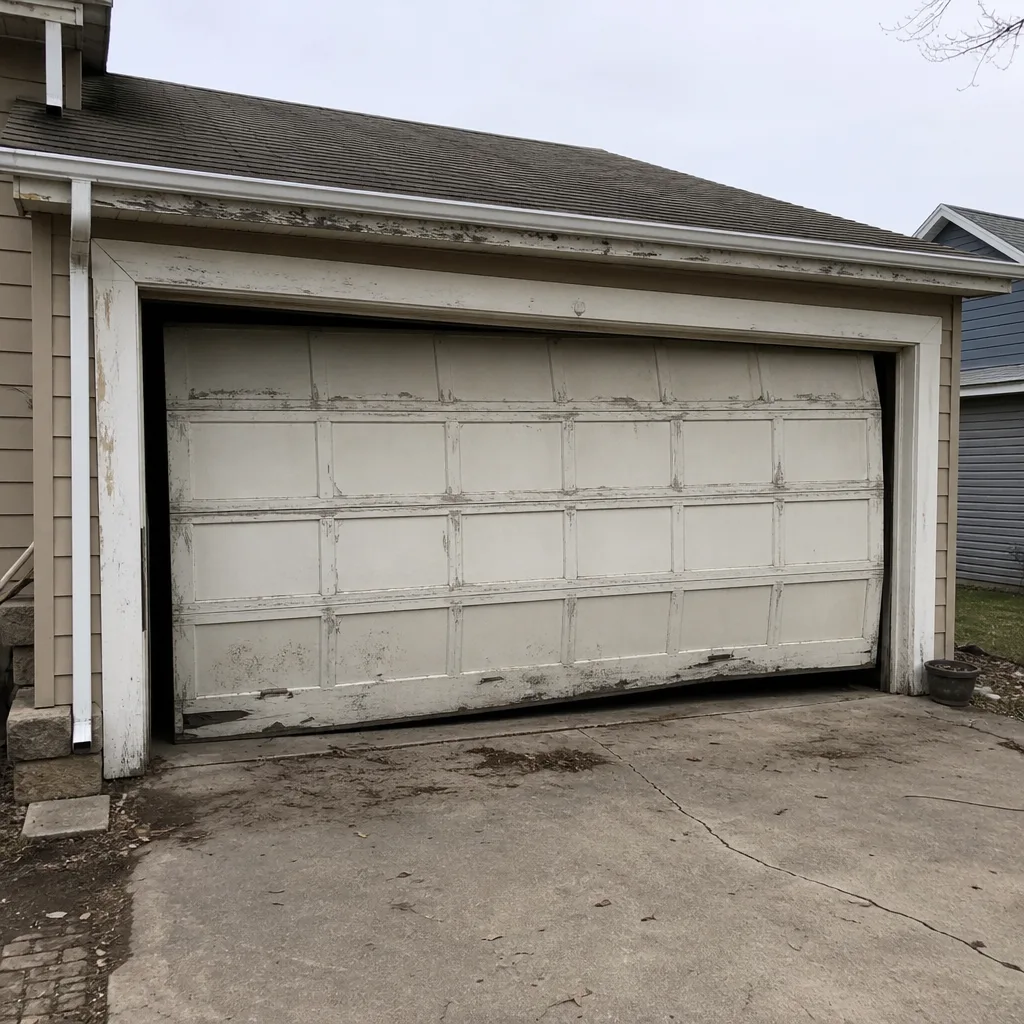 Before
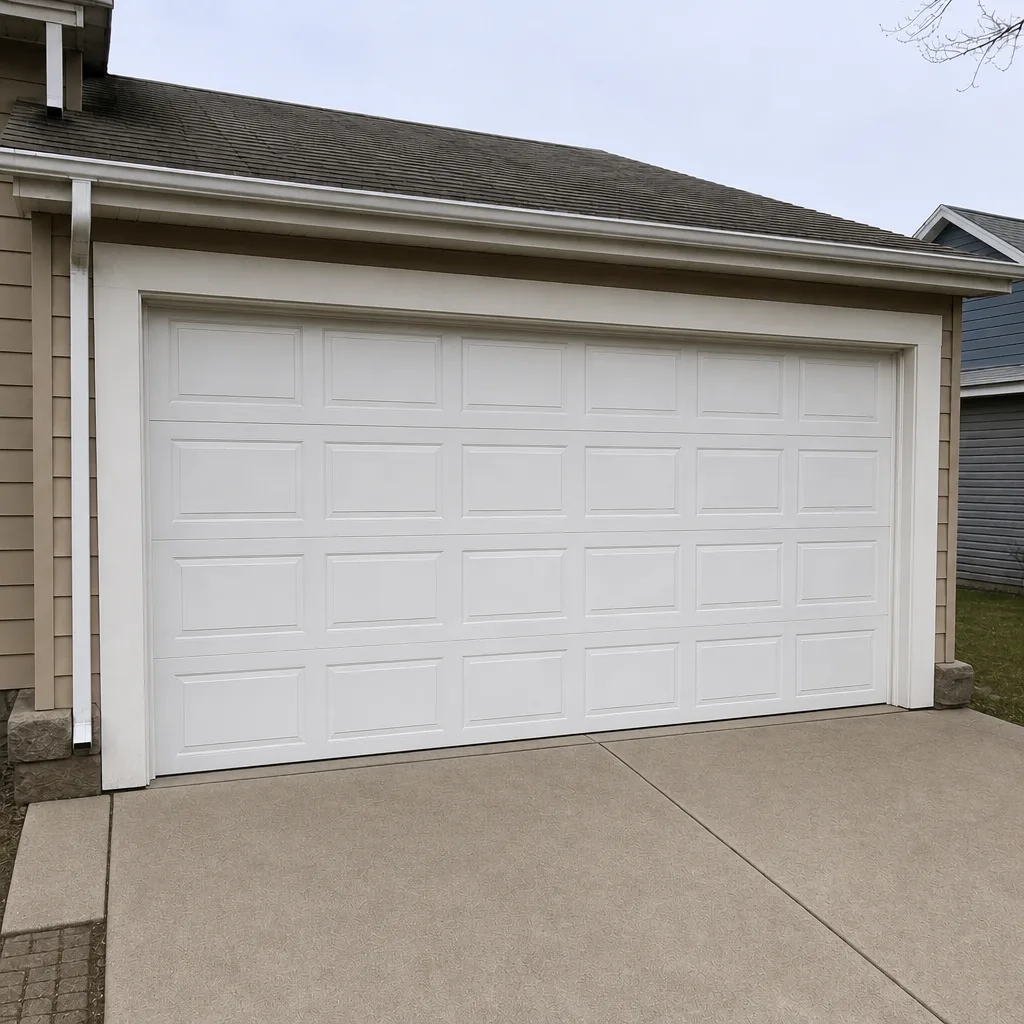 After
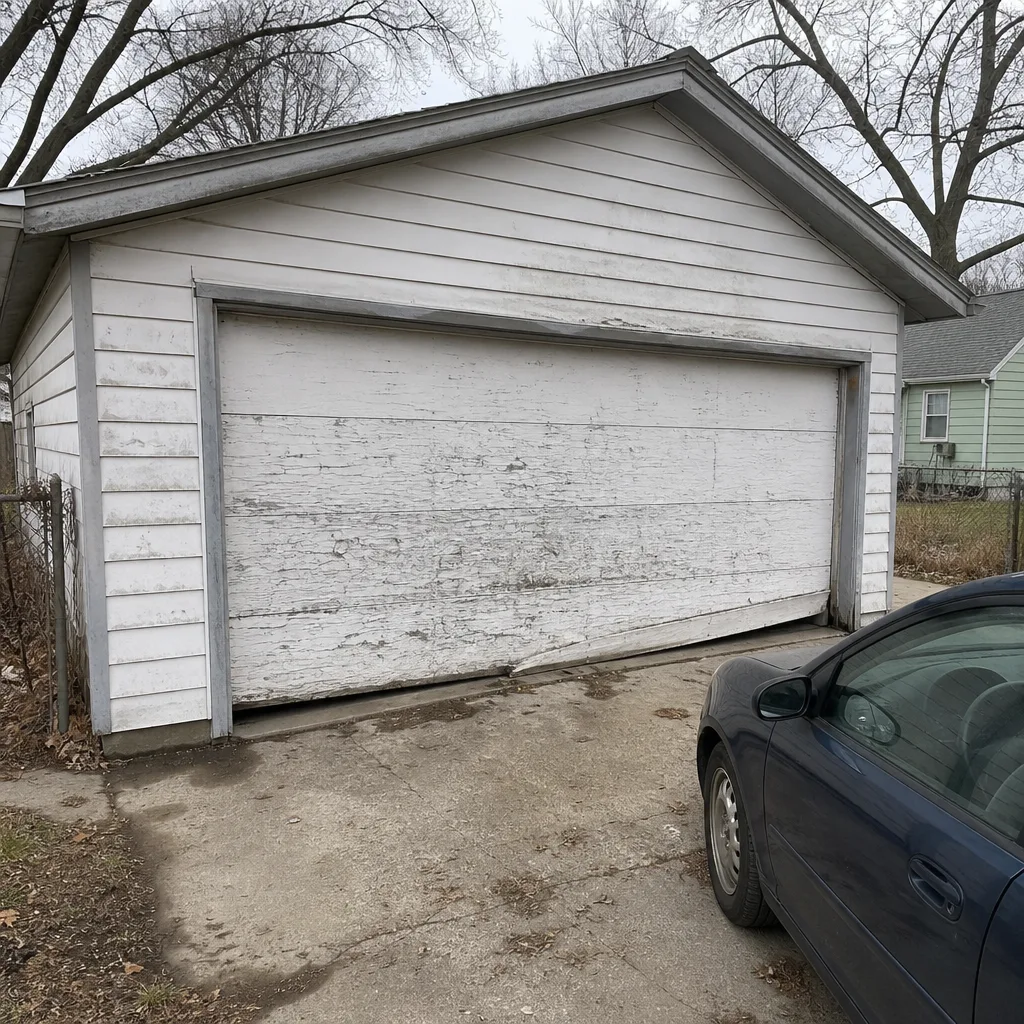 Before
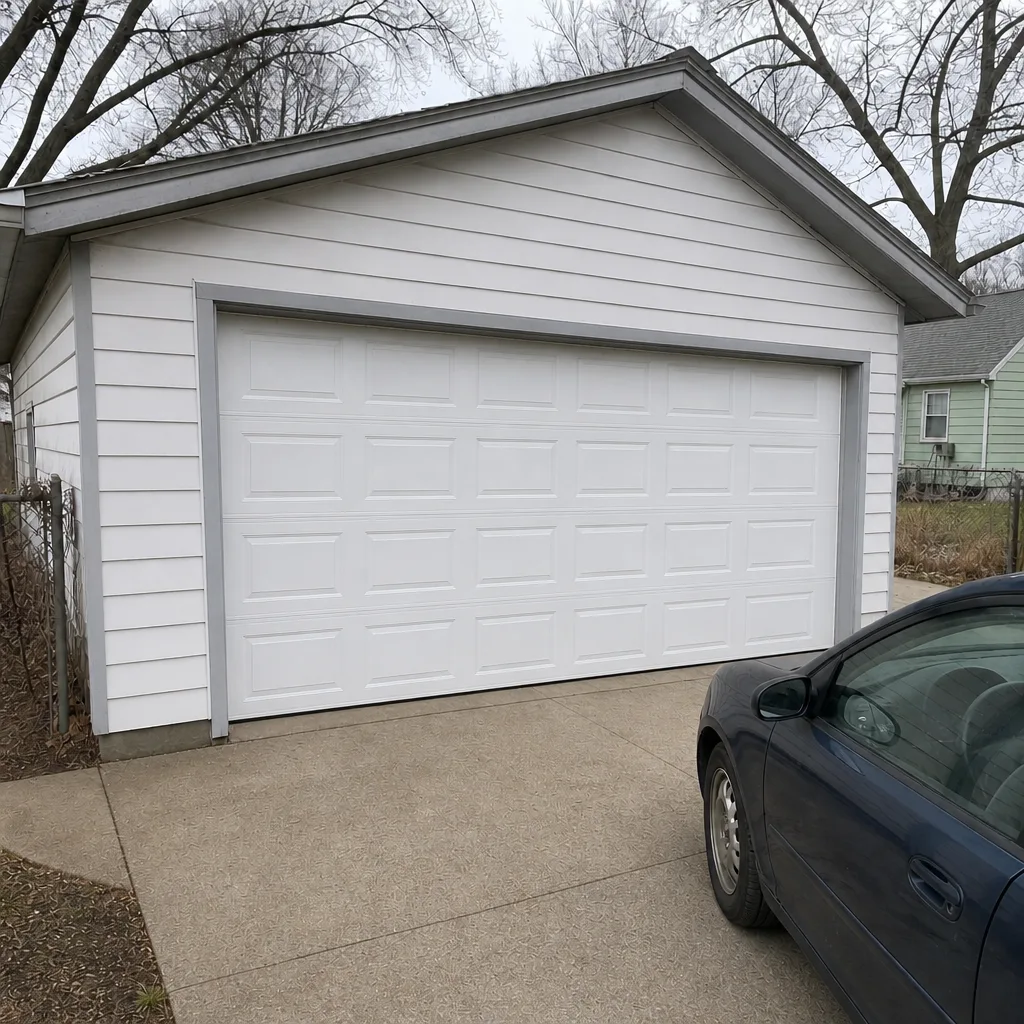 After
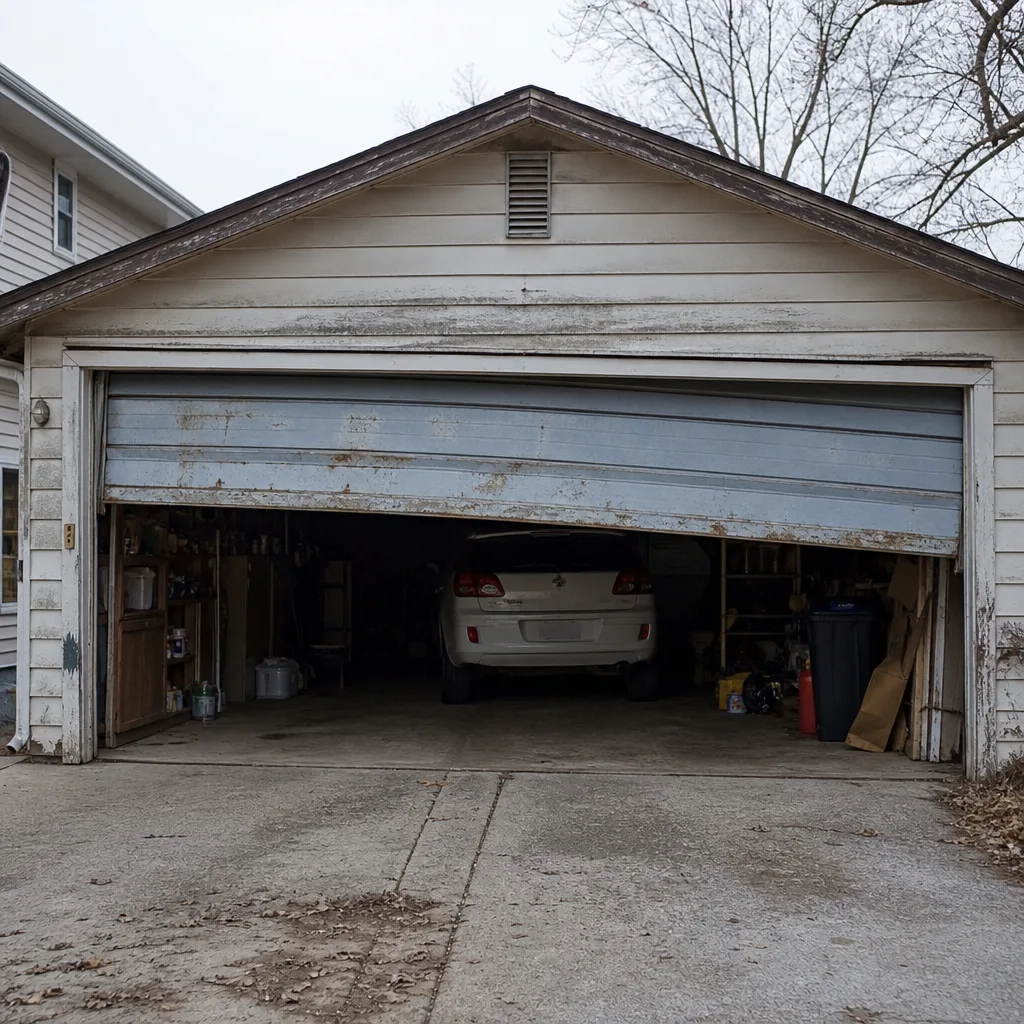 Before
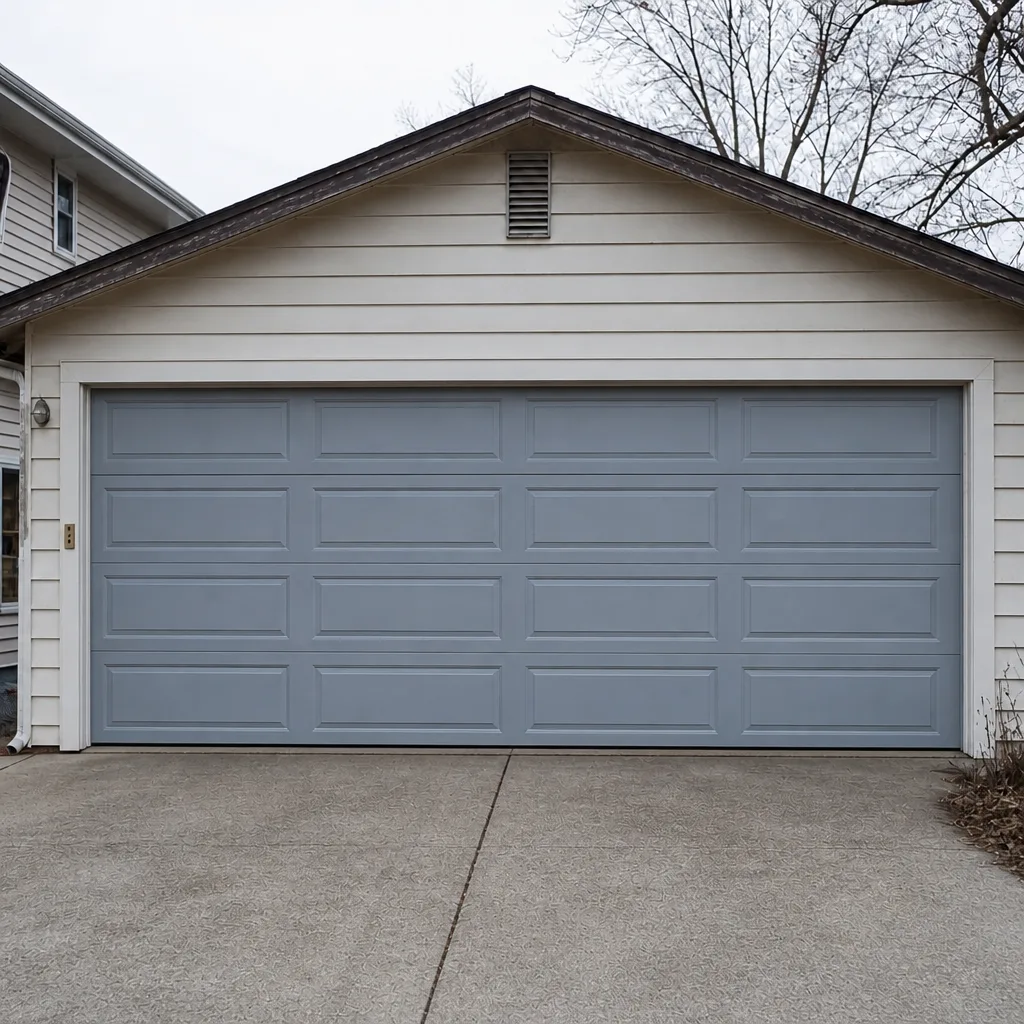 After
When to Call a Professional
Most of the tasks in this guide are homeowner-friendly, but some aren’t. Call a professional if any of the following apply:
- The door doesn’t hold position when you disconnect the opener and lift it by hand – that’s a spring balance issue.
- The torsion spring is visibly broken, sagging, or making noise – these are genuinely dangerous to touch.
- A track is bent, kinked, or clearly out of vertical alignment.
- The opener reverses mid-travel, the safety reverse doesn’t work, or the door won’t respond to the remote.
- The door is unexpectedly heavy, the opener is straining, or the lift sounds labored in cold weather.
Garage Door Repair Kingfield offers free estimates in Kingfield – call (877) 492-3659. Our technicians work on every major brand and can make a same-day repair call when a door isn’t safe to operate. Our technicians have up to 10 years of experience.
Frequently Asked Questions
Twice a year is the minimum for most doors – once in spring after freeze-thaw and once in fall before hard freeze. If your door is older or wood, add a summer check for panel swelling and finish repair. The seasonal walk-around takes 15 minutes and catches most developing problems.
The March and October freeze-thaw checks are the most important. These are the weeks when water enters the seals and tracks, freezes overnight, and causes the cumulative damage that shows up later. Fall maintenance is the one most homeowners do; the spring and shoulder-season checks are the ones they skip and the ones that matter most.
Three causes, in order of likelihood: the lubricant in the moving parts has thickened or gone gummy in the cold, the opener force limit is set too low for the cold-season resistance, or the springs are out of balance. A cold-rated lubricant and an October opener adjustment solve the first two; spring balance is a technician call.
Not for winter use. Standard WD-40 is a light solvent-based lubricant that thickens in cold and can leave a gummy residue on the door’s moving parts. Use a cold-rated white lithium or silicone lubricant on hinges, rollers, and spring coils, and keep the tracks clean rather than lubricated.
The local pro we connect you with is licensed and insured as their state requires. Our technicians have up to 10 years of experience and are equipped to service products from every major brand, including Chamberlain, Genie, Clopay, and Amarr. Estimates are free – call (877) 492-3659 for an exact quote.
No. The written estimate sets the final price, and the price is quoted and agreed before any work starts. If we find something during the service that wasn’t in the original estimate, we’ll show you and price the additional work separately before doing it. For an exact quote, call (877) 492-3659 – estimates are free.
The Bottom Line
Garage door care in Kingfield follows the weather calendar, not the calendar on your wall. The freeze-thaw weeks in March and October do more mechanical damage than any single winter month, and that’s where the bottom seal, tracks, and fasteners take their hardest hits. Summer humidity loads wood panels and strains the opener. October is the window for the opener sensitivity adjustment and for switching to a cold-rated lubricant that doesn’t thicken below zero. The 15-minute seasonal walk-around catches most of it. If a door won’t move, we will – call (877) 492-3659 for a free estimate, and our technicians will sort out what’s safe to do yourself and what isn’t.
Written by the team at Garage Door Repair Kingfield.