Last updated November 21, 2026
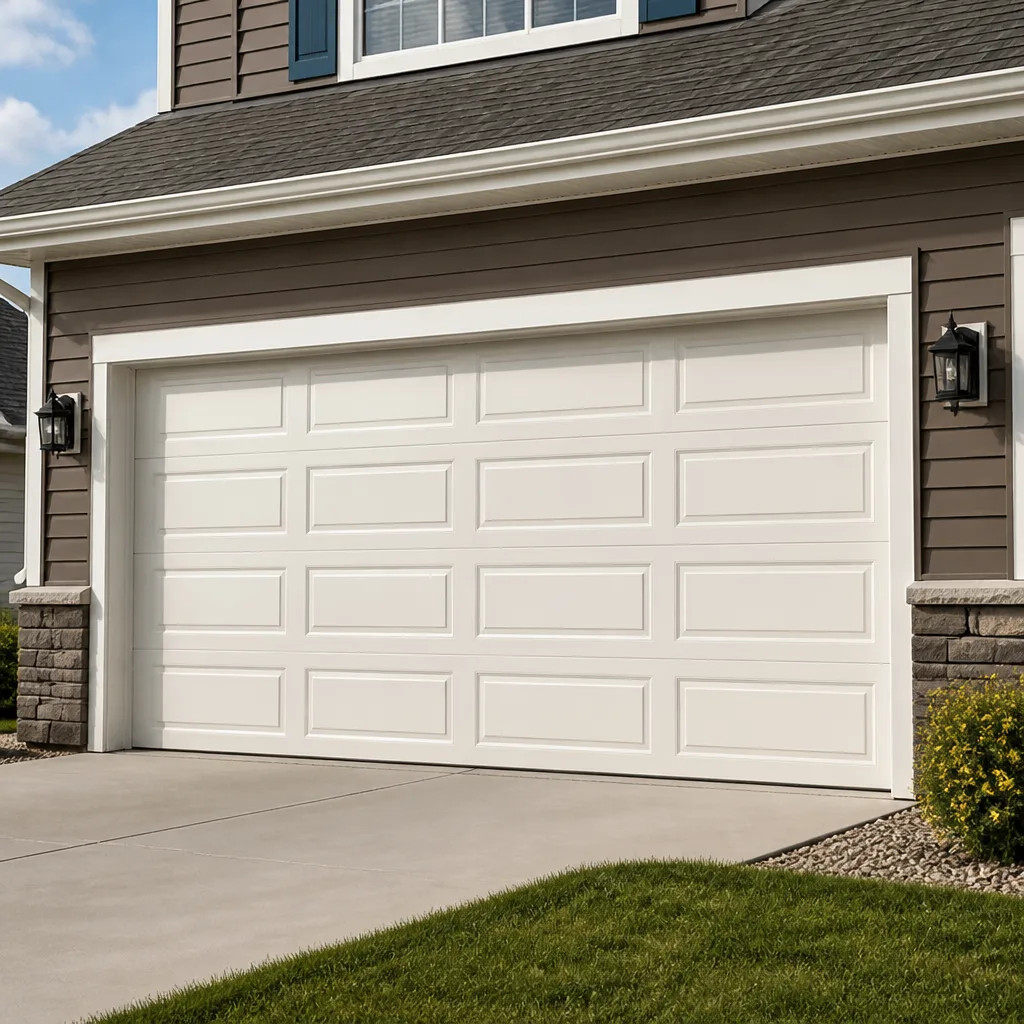 Raised-panel steel
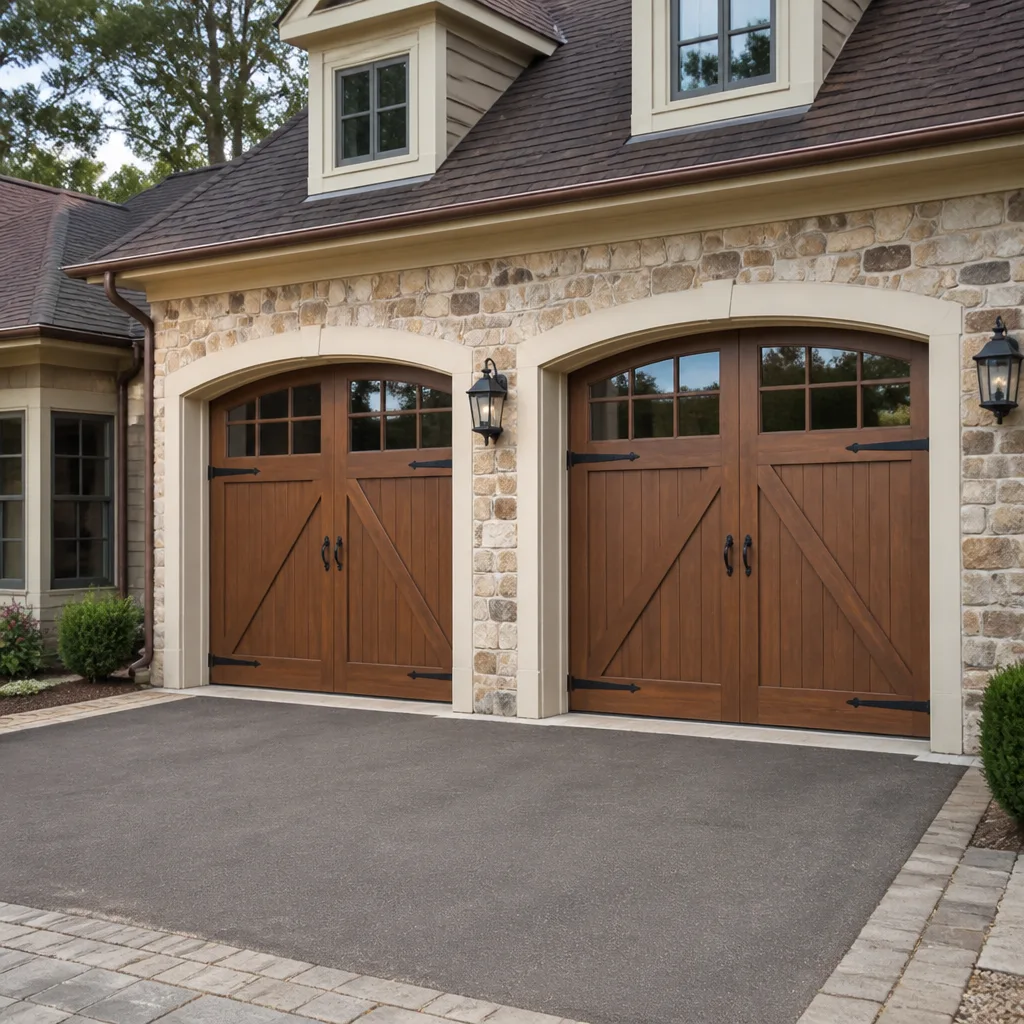 Carriage house
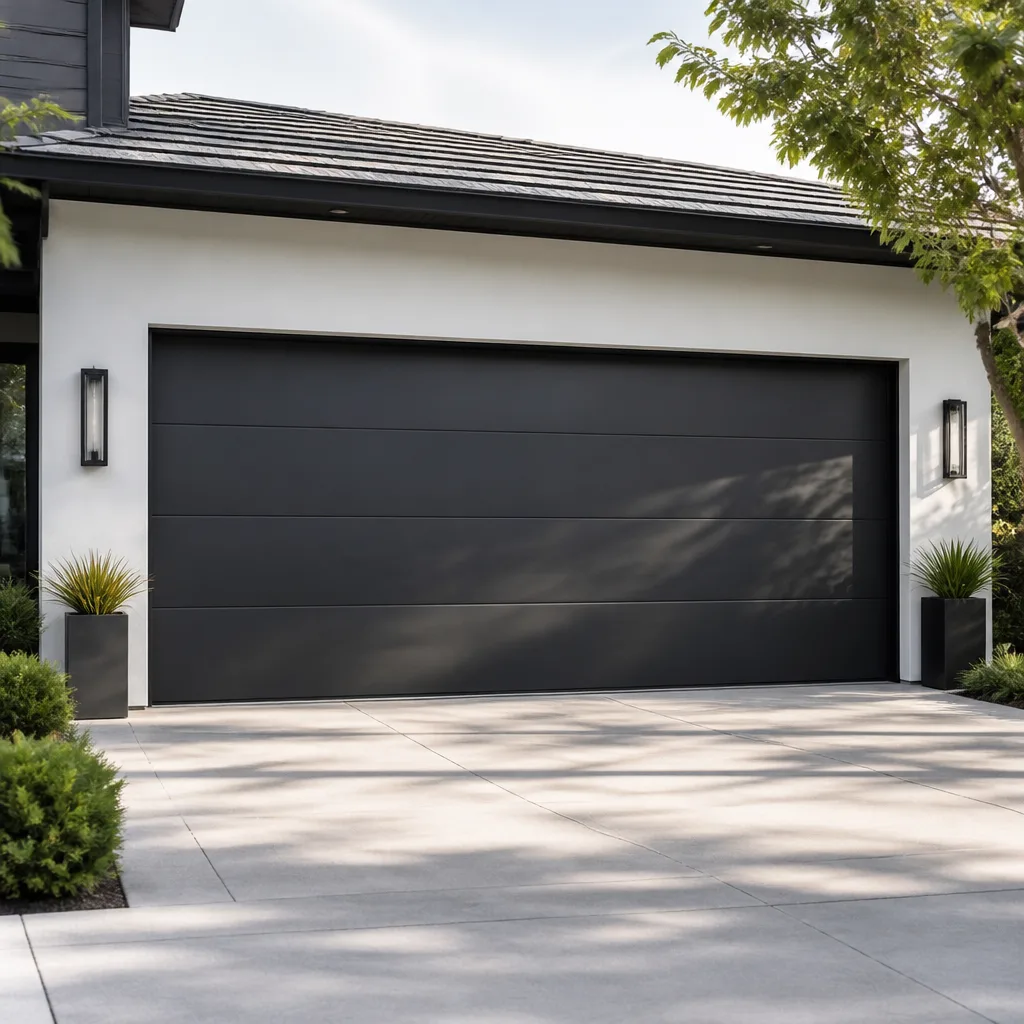 Modern flush
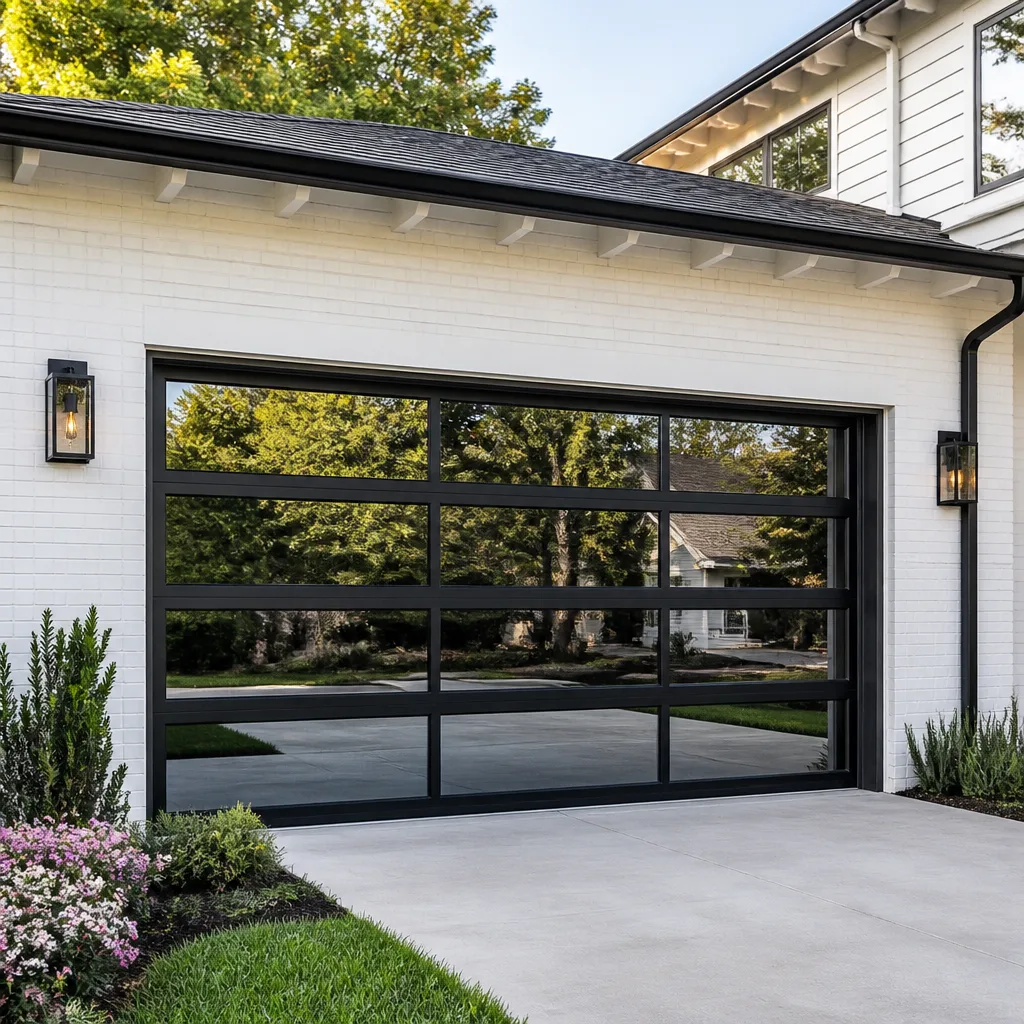 Full-view glass
 LiftMaster openers
 Chamberlain openers
Full 25-point door and opener safety check with every visit - springs, cables, rollers, tracks, and your LiftMaster or Chamberlain opener included
You get a price before we start. It does not change when the pro arrives.
Get your free estimateGarage Door Permits, Codes & Inspections in Kingfield, MN: What You Need to Know
The thing that surprises most Kingfield homeowners isn’t the permit itself. It’s how far a “simple door swap” can reach into their home’s paperwork. Replacing a garage door on an attached garage can pull the entire garage envelope into an energy code review in Minnesota, and a lot of people only discover that when a buyer’s inspector flags it during a sale. This guide walks through when a permit is required and when it’s truly exempt, how the state energy code treats insulated doors, what a rough opening change triggers, and what documentation to keep on file either way. If you’re the type who wants to know what you’re signing before the work starts, this is for you.
Quick Answer
In Minnesota, replacing a garage door in the same opening with a door of equal or better insulation value is usually treated as a routine maintenance swap and often does not require a permit. The picture changes fast when the work touches the structure: widening or moving the rough opening, changing the header, altering the wall framing, or replacing an uninsulated door on a heated attached garage in a way that affects the envelope. Those situations can pull in the state energy code and a structural review. The only reliable way to know which side of the line your Kingfield project falls on is to ask the local building department before you order the door.
Styles & brands we work with
- Raised-panel steel
- Carriage house
- Modern flush
- Full-view glass
- LiftMaster openers
- Chamberlain openers
Table of Contents
- When Does a Garage Door Replacement Require a Permit in Minnesota?
- How Minnesota’s Energy Code Treats Insulated Doors on Attached Garages
- What a Rough Opening Modification Triggers
- What the Inspection Process Actually Looks Like
- How Unpermitted Garage Work Shows Up When You Sell
- The Paperwork to Keep Even for an Exempt Replacement
- Why the Kingfield Climate Makes All of This Matter More
- Common Mistakes to Avoid
When Does a Garage Door Replacement Require a Permit in Minnesota?
A permit is usually not required when you swap a door into the existing opening and keep the same size, the same track configuration, and the same or better insulation. That’s the straightforward case: old door out, new door in, same hole. A permit is generally required when the project crosses from replacement into construction. The distinction matters in Kingfield because the housing stock includes a lot of older detached and attached garages where the original openings were never quite square and where a homeowner wants a wider door for a newer vehicle.
Here’s a practical way to sort your own project. Ask these questions in order:
- Is the new door the same nominal size as the one coming out?
- Are the flag brackets, tracks, and spring anchor staying in their existing positions?
- Is the door’s insulation value at least equal to the door it replaces?
- Does the garage share a wall or ceiling with conditioned living space?
- Is the vehicle door the only thing being changed, with no framing, sheathing, or header work?
If you answered yes to the first three and no to the last two, you’re most likely in exempt territory. If any answer flips, call the building department and describe the work in plain terms. Say “I want to widen the opening by a foot” or “I’m replacing an uninsulated door on a heated garage.” Those phrases route you to the right reviewer instead of a general answer at the counter.
One more local wrinkle: the city of Kingfield and the surrounding jurisdiction handle permits their own way, and requirements can vary between a standalone garage and one attached to a dwelling. We’ve learned not to assume. Our technicians have up to 10 years of experience across installations and repairs, and the permit question comes up constantly on garage door installation projects. The answer is always the same: confirm with the building department first. That single phone call prevents almost every headache later in this guide.
How Minnesota’s Energy Code Treats Insulated Doors on Attached Garages
This is the part that catches people. Minnesota’s energy code, and specifically Section R402, addresses the building envelope: the walls, ceilings, windows, and doors that separate conditioned interior space from unconditioned or exterior space. On an attached garage with living space above or beside it, the garage door sits on the boundary between heated and unheated space. That makes it part of the envelope calculation, not just a piece of equipment.
What this means in practice:
- An uninsulated door on a heated or semi-heated attached garage is a weak point in the envelope, and a replacement may need to meet current insulation requirements rather than matching the old door’s performance.
- A garage that was previously treated as unconditioned can change classification if it’s being finished or heated, which then brings the door into the code conversation.
- A door with a higher insulation value than the one it replaces is generally safe territory; going backward on insulation is where reviewers start asking questions.
- The code review can extend beyond the door. If insulation, air sealing, or framing around the opening is disturbed, the inspector may look at the whole garage envelope.
Property owners in Kingfield often ask us whether an insulated door is worth the cost here. It is, for a more immediate reason than code: our winters. An uninsulated door on an attached garage bleeds heat out of the house and makes the rooms above or beside the garage noticeably colder. Insulation slows that transfer, reduces condensation on the door’s interior face, and keeps the opener’s drive system operating in a less punishing temperature range.
We work with insulated doors from Clopay, Amarr, and Wayne Dalton, and we can pull the manufacturer’s insulation documentation for any door we quote. That documentation is what a building department wants to see when the envelope question comes up. More on that in the paperwork section below.
What a Rough Opening Modification Triggers
A rough opening is the framed hole in the wall where the door goes. Changing its size is not a door job, it’s a structural alteration. The moment you make the opening wider or taller, you’re changing the header span above it, the jack studs beside it, and possibly the load path down to the foundation. Those are the pieces that hold up the wall above the garage door.
Here’s a numbered look at what a rough opening change actually involves:
- Engineering or prescriptive review. A building department will want the header sized correctly for the new span, based on the loads above it. On a garage with living space above, that’s a heavier load than a detached garage.
- Framing inspection. The inspector sees the header, the jack studs, and the fasteners before the new door goes in. This is the stage most homeowners don’t plan for, and it adds a scheduled stop to the project.
- Exterior finish and weather barrier. Enlarging the opening means the siding, trim, and flashing around it need to be redone and inspected for water management.
- Energy envelope recheck. A larger opening on an attached garage means more of the envelope is now door, so the insulation requirement recalculates.
- Final inspection. The completed installation, with the door operating correctly and the documentation on file, closes out the permit.
None of this is a reason to avoid a project you actually need. It’s a reason to sequence it correctly. The measure, the structural answer, and the permit review should happen before the door is ordered. Ordering a door first and figuring out the opening afterward is how a two-week project becomes a two-month one.
If your door is failing and you’re weighing a rough opening change against a like-for-like replacement, the simpler path is often garage door repair first: fix what’s broken, keep the existing opening, and postpone the structural conversation until you’re ready for it. That’s the same-door, fixed-right approach we take on most service calls.
What the Inspection Process Actually Looks Like
For a typical permitted garage door replacement in or near Kingfield, the process is shorter than people fear. It usually runs something like this:
- Call the building department and describe the scope. Ask directly: is this permit-exempt, and if not, what do you need from me?
- Pull the permit before work begins. Some jurisdictions allow the contractor to pull it; some require the homeowner. Confirm who’s responsible.
- Have product documentation ready. The door’s insulation value, wind load rating if applicable, and installation instructions from the manufacturer.
- Schedule the framing inspection if the opening is being modified. This happens before the new door is hung.
- Complete the installation and close out. The inspector confirms the door operates correctly and the opening is weathertight.
- File the paperwork. Keep the permit record, the inspection sign-off, and the installation documentation together.
Inspection requirements vary by jurisdiction, and some permit-exempt replacements don’t involve an inspector at all. The point is not that every Kingfield project runs through this list. It’s that a permitted one does, and knowing the sequence lets you plan around it rather than being surprised by it.
On the equipment side, an opener change is usually a separate matter from the door permit. If your opener is failing and the door is fine, garage door opener repair is its own scope, and one call covers both questions. We service LiftMaster, Chamberlain, Genie, and Craftsman openers, plus the doors themselves, so you’re not handing off between trades.
How Unpermitted Garage Work Shows Up When You Sell
This is where the energy code question stops being abstract. When you list a home in Kingfield, the buyer’s inspector walks the whole property, including the garage. An inspector who sees a door opening that doesn’t match the original framing, or a newer door in an older opening with no record of permits, will note it. That note goes to the buyer, the buyer’s agent, and the lender if there is one.
Minnesota’s seller disclosure requirements oblige you to disclose known improvements and any related permit status. In practical terms:
- A missing permit on finished work shows up as an open question and can stall a closing while it’s resolved, sometimes requiring a review after the fact.
- An unpermitted rough opening change is the more serious version, because it involves structure and the inspector may want it evaluated, not just documented.
- A door replacement that never needed a permit is not a problem, as long as you can show what was installed and when.
We’ve worked on plenty of doors in Kingfield where the documentation question comes up years after the installation, usually because a sale is in motion. The homeowners who keep good records have a much easier conversation. The ones who don’t end up calling the manufacturer for product specs and the building department for any historical record, which is doable but slower.
The structural and envelope questions covered in this guide are the reason we recommend a free measure and a written price before any replacement work is scheduled. It’s not a same-day service situation; it’s a planned project, and the plan should include the permit answer.
The Paperwork to Keep Even for an Exempt Replacement
Even if your Kingfield project never touches the building department, build a file. If a buyer’s inspector asks about the door five years from now, you want a folder, not a memory. Here’s what to keep:
- The written estimate and invoice with the door model, size, and installation date.
- The manufacturer’s product data sheet, especially the insulation value on an attached garage door.
- The installation instructions from the door manufacturer, including any spring and fastening specs.
- Photos of the completed installation, including the opening, the tracks, and the spring assembly.
- Any correspondence with the building department, even a note that confirms the work was exempt.
- Opener documentation if the opener was replaced or reprogrammed during the project.
That file covers you against almost any future question. It also gives a technician real information on a service call later: exact model, exact age, exact configuration. We can pull most of it from the vehicle door brand and serial number, but a homeowner’s file makes it faster.
Why the Kingfield Climate Makes All of This Matter More
Kingfield sits in a part of Minnesota where winter is the defining force on every garage door. Freeze-thaw cycles work on the opening and the concrete apron. Road salt tracked onto the door’s bottom seal and hinges accelerates corrosion. Cold contracts the metal, and the spring tension that felt fine in October can feel different in January. The insulation value on the door isn’t a code technicality here; it’s what separates a garage that stays near freezing from one that drops well below it and starts frosting the interior face.
That climate reality shapes the code conversation in two ways. First, an insulated door isn’t optional comfort on an attached garage in Kingfield, it’s the practical default, and the energy code happens to agree. Second, a door that’s sized, fitted, and weather-sealed correctly lasts measurably longer here than one installed with gaps at the threshold. So when we measure for a replacement, we’re thinking about the January version of the door, not the July one.
If you want the full picture of how we approach the trade across services, Garage Door Repair Kingfield is the place to start. One call covers the door, the opener, the springs, and the installation, and you won’t need a second company for any of it.
Common Mistakes to Avoid
- Assuming every replacement needs a permit. Many like-for-like swaps on detached garages don’t. Assuming they all do leads homeowners to overpay for permit fees on work that never needed one. Call the building department and describe the specific scope.
- Assuming no replacement needs a permit. The opposite error is worse. Widening the opening or changing the door on a heated attached garage is not a swap, and treating it like one is how unpermitted structural work gets buried behind a new door.
- Ordering the door before the opening is confirmed. A door ordered for the wrong rough opening either gets returned or forces an unplanned structural change. Measure first, order second, install third.
- Ignoring the energy code on attached garages. An uninsulated replacement on a heated garage can fail the envelope review. Match or improve the insulation value, and keep the manufacturer’s documentation.
- Throwing away the paperwork. The invoice, product data sheet, and photos are the cheapest insurance you’ll ever have on a future home sale in Kingfield. Keep them together.
- Letting a failing spring sit while you plan the replacement. A tired spring on a door you’re about to replace is still a safety hazard in the meantime. If it’s showing wear, don’t operate the door more than necessary and get it assessed.
- Hiring a company that only works one brand. If your Wayne Dalton, Raynor, or Craftsman door is being replaced, the installer needs to know that system’s specifics. Certified service across eight major brands means fewer surprises on install day.
See the difference
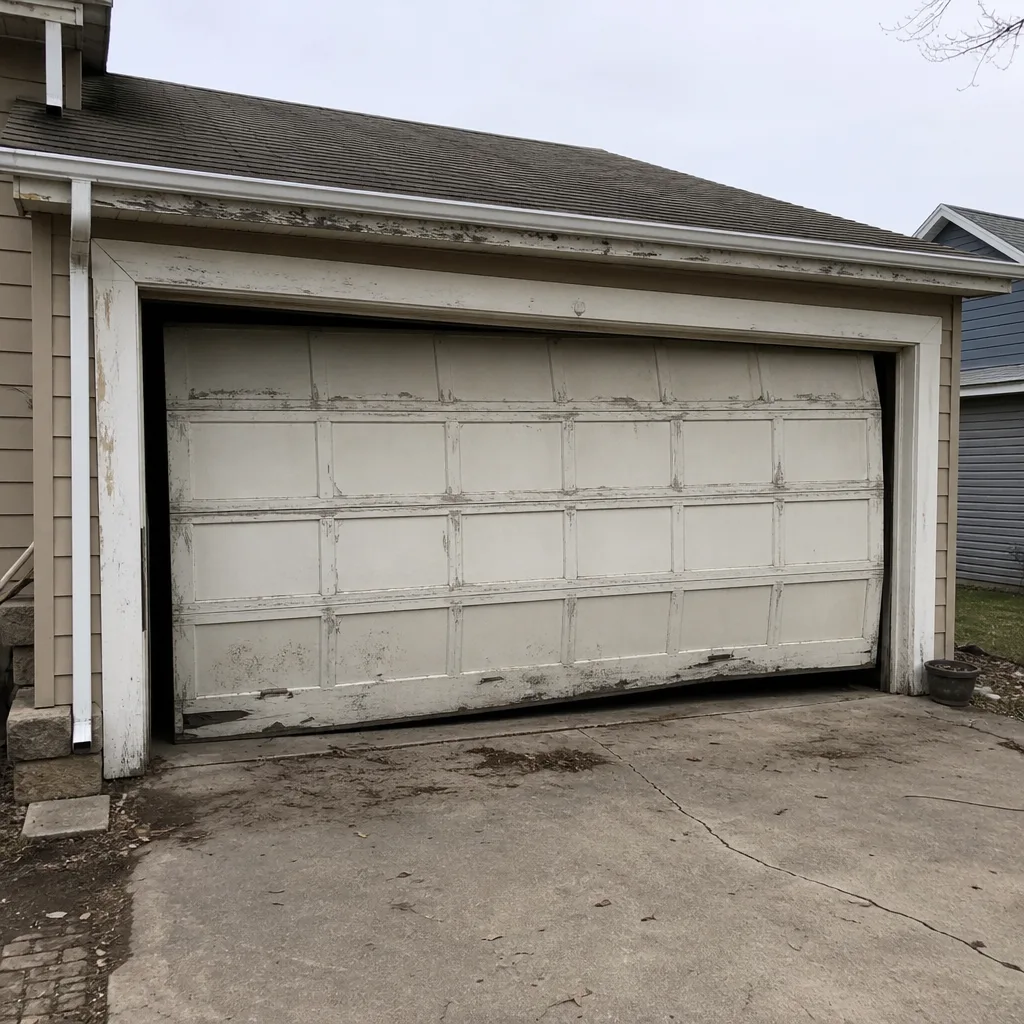 Before
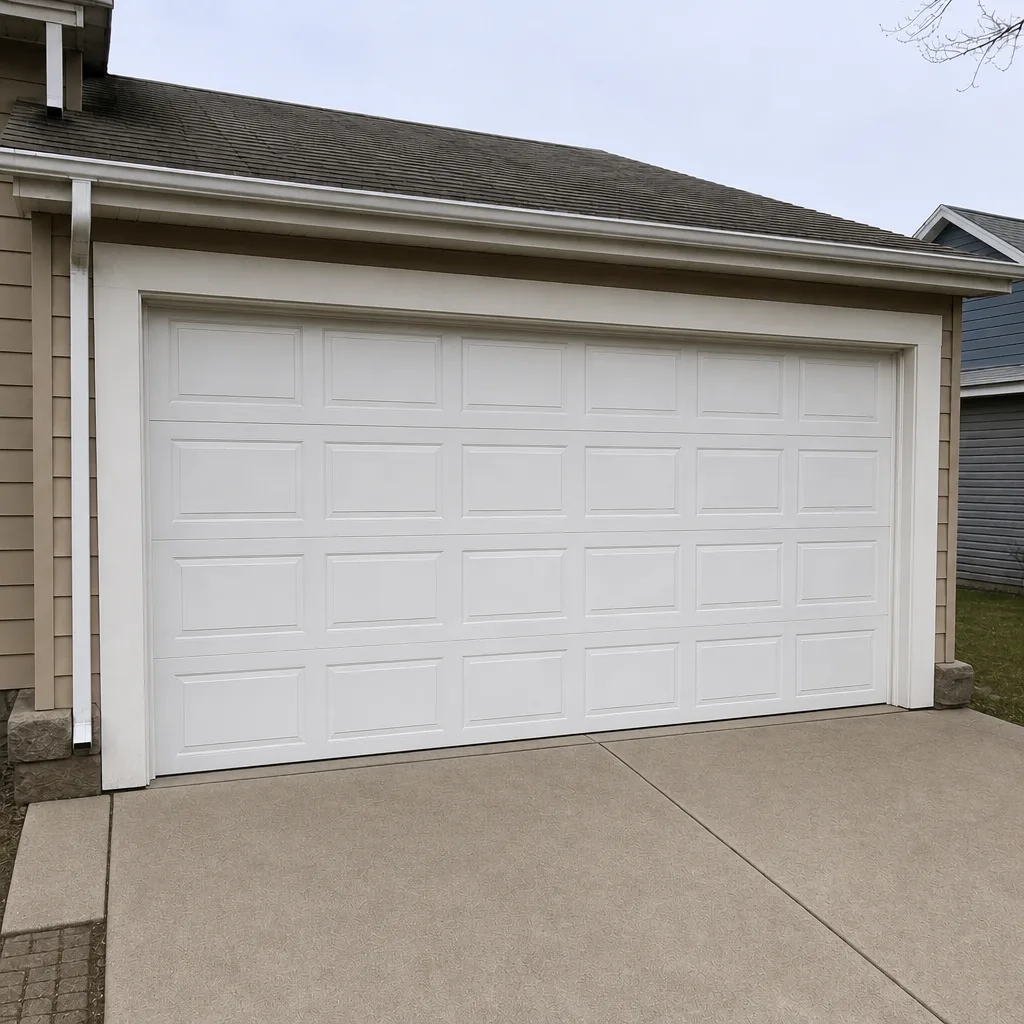 After
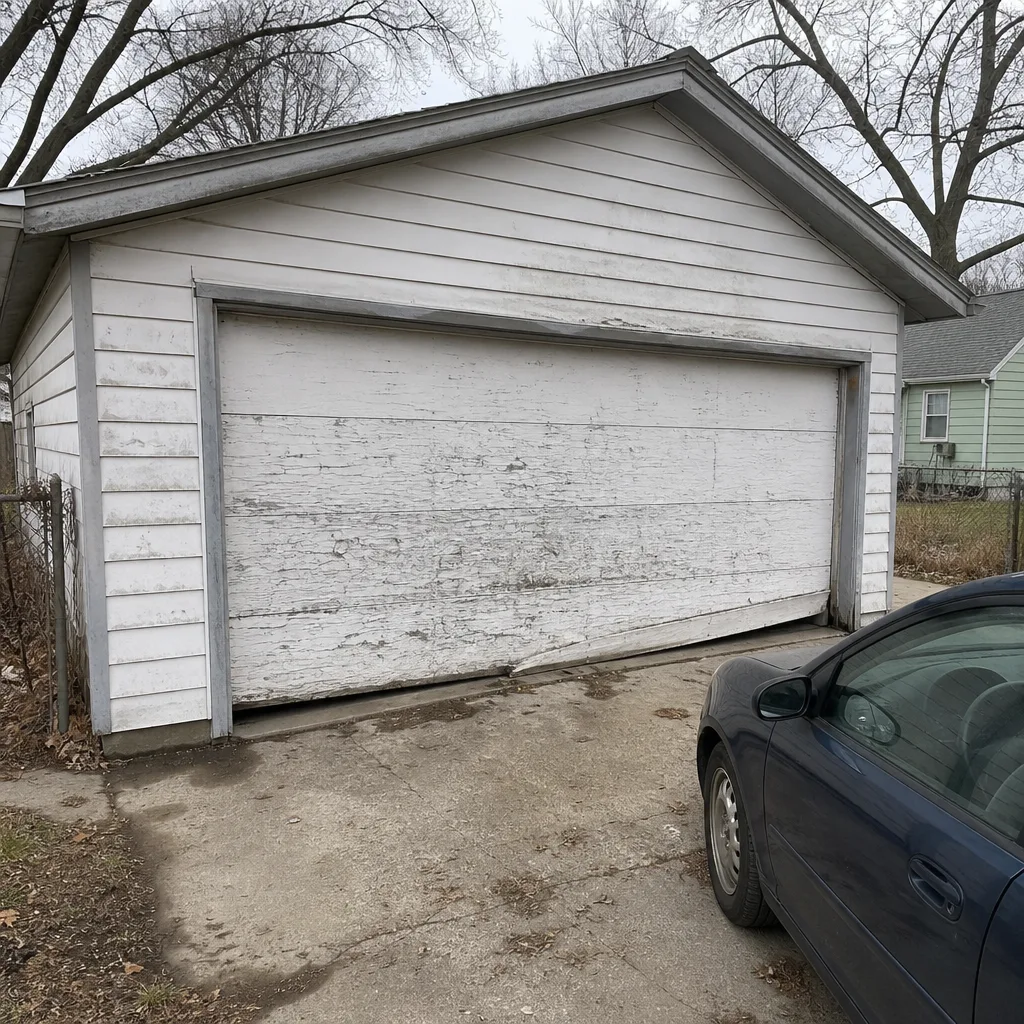 Before
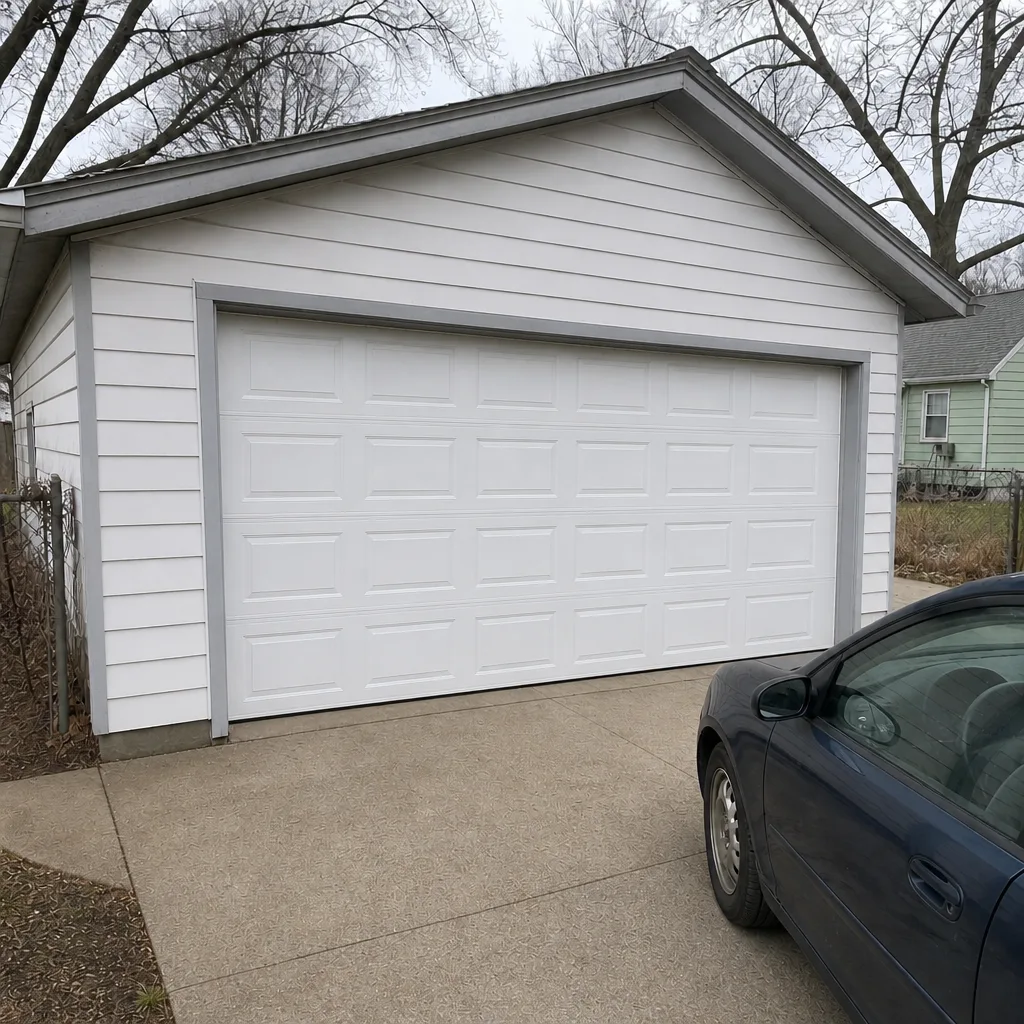 After
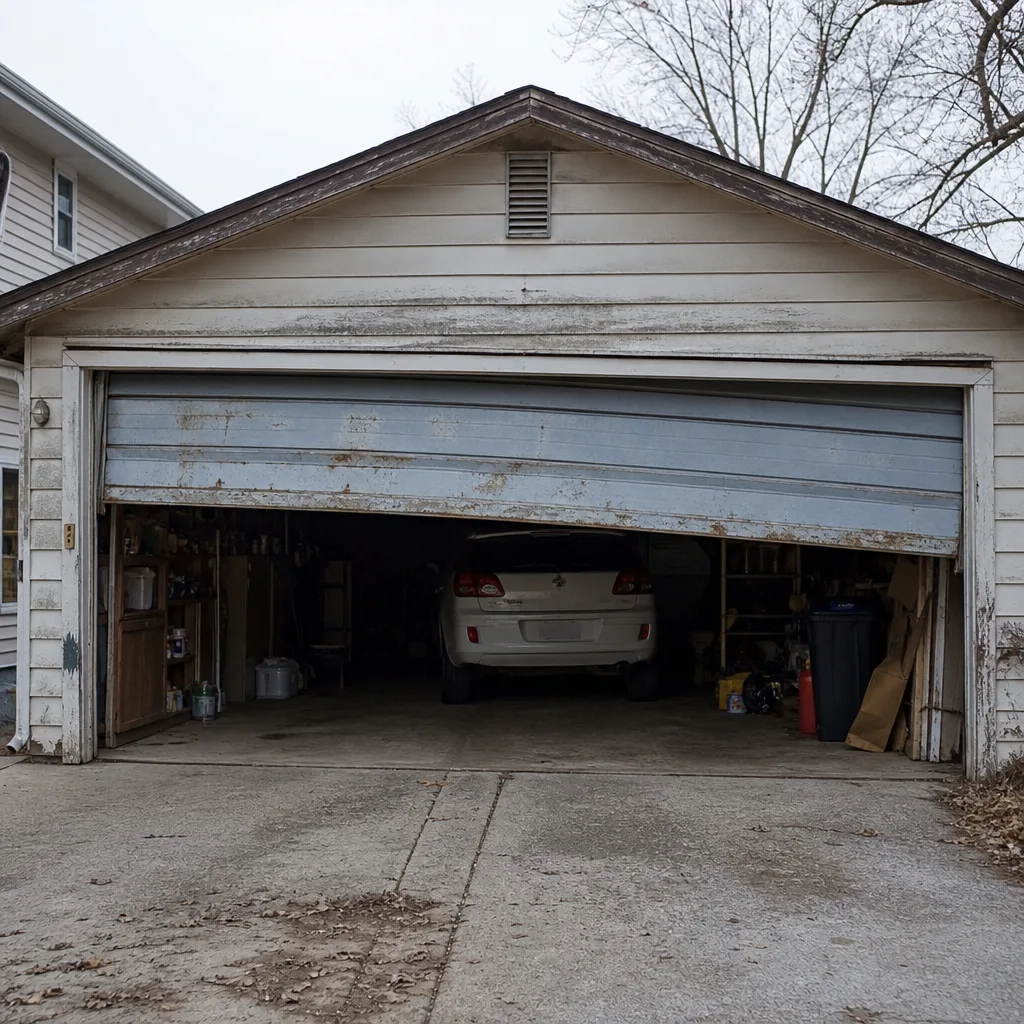 Before
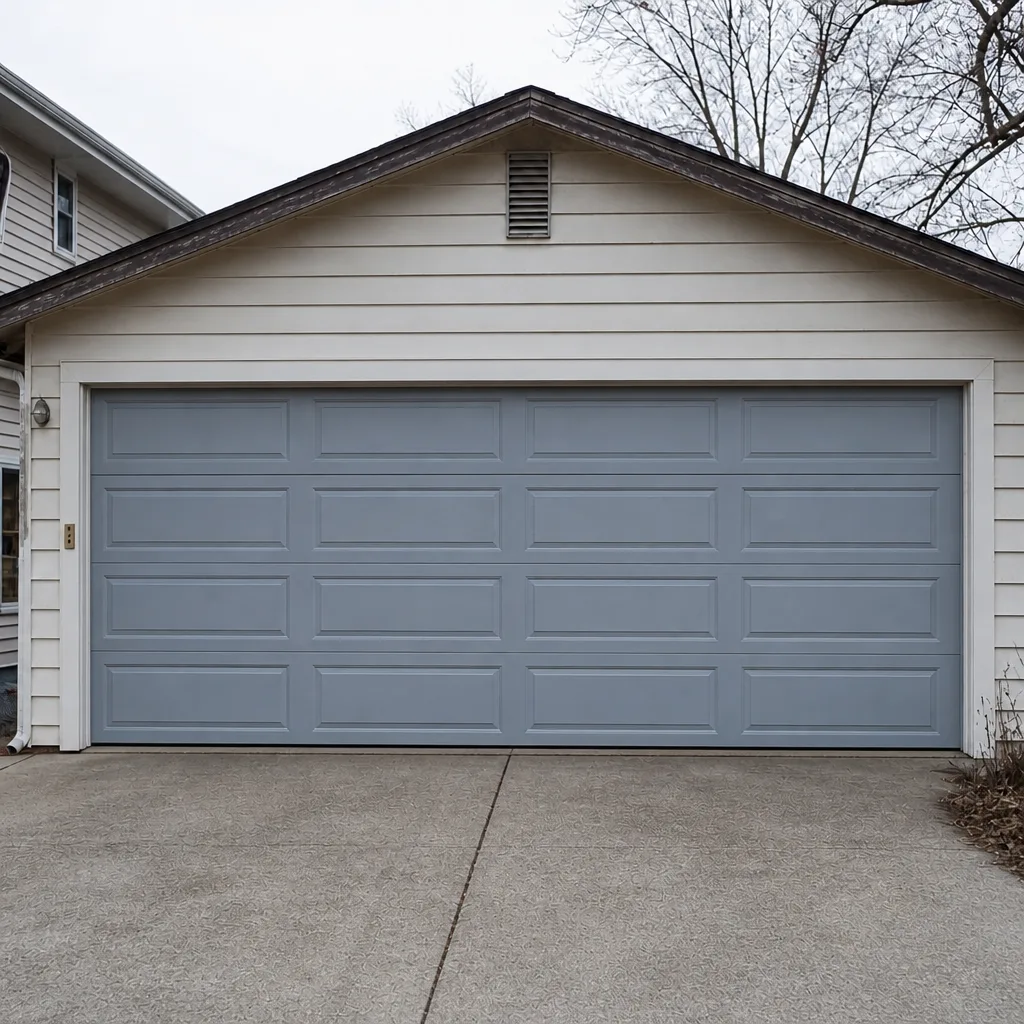 After
When to Call a Professional
Call a professional when the permit question is unclear, when the opening doesn’t match the door you want, or when the door’s operation has become unpredictable. Handle the measure, the code question, and the structural review as one conversation with someone who does this for a living, rather than an endless series of phone calls. Spring work in particular is the highest-tension, most dangerous component on a garage door; a snapped spring under load can cause serious injury, and that’s not a job for a homeowner with a winding bar and a video tutorial. If your door won’t open or won’t close and you’re dealing with a vehicle trapped inside or a home exposed, emergency garage door service is available and should be called right away. Garage Door Repair Kingfield offers free estimates in Kingfield: call (877) 492-3659.
Frequently Asked Questions
Usually not, if you’re replacing the door into the existing opening at the same size with equal or better insulation. A permit is generally required when the work touches the structure, such as widening the rough opening, changing the header, or altering the framing. Call the local building department and describe the scope in plain terms to confirm which side of the line your project falls on, then call (877) 492-3659 for a free estimate on the door itself.
Section R402 addresses the building envelope, including insulation, air sealing, and the doors and windows that separate conditioned space from unconditioned space. On an attached garage with living space above or beside it, the garage door sits on that boundary, so a replacement may need to meet current insulation requirements rather than matching an uninsulated old door. Ask your building department how the code applies to your specific garage, and keep the manufacturer’s insulation documentation on file. For an exact quote on an insulated replacement, estimates are free at (877) 492-3659.
It becomes unpermitted structural work, which surfaces during a home sale when the buyer’s inspector notes that the opening doesn’t match the original framing. Resolving it after the fact usually means a late review, possible rework, and a delay at closing. A rough opening change also requires a correctly sized header for the new span, and on a garage with living space above, that load matters. Get the structural answer and the permit before any door is ordered; call (877) 492-3659 to schedule a measure.
It’s not always required, but it’s the practical default here. The cold winters make an uninsulated door on an attached garage a real heat loss, and the energy code on the envelope may require a replacement to meet current insulation value. Insulation also reduces condensation on the interior face and keeps the opener operating in a less punishing temperature range. Call (877) 492-3659 for a free estimate on a door that fits your garage’s envelope.
Sometimes, but it depends on the door. A like-for-like swap with the same weight and balance point can often reuse the existing springs and opener. A heavier insulated door, or a different door weight, usually needs the springs, drums, and opener rebalanced or replaced to operate correctly. That’s a good reason to have the full system assessed before the order is placed. Call (877) 492-3659 and we’ll tell you what the new door actually requires.
Keep the written estimate, the invoice with the door model and size, the manufacturer’s product data sheet including insulation value, the installation instructions, and photos of the finished installation. If you pulled a permit, keep the permit record and the inspection sign-off too. Those documents answer almost every future question from a buyer’s inspector or a service technician. For help gathering the right paperwork on a new installation, call (877) 492-3659.
The Bottom Line
Most Kingfield garage door replacements don’t need a permit, and the ones that do usually involve a decision that was made before the permit question was asked: a wider opening, a changed header, a heated attached garage treated as if it were unconditioned. Get the scope right first, ask the building department about your specific project before you order the door, and keep a documentation folder whether the work was permitted or exempt. Section R402 matters most on attached garages, rough opening changes need a structural review, and unpermitted work has a way of showing up at closing. A free measure, a written price, and a clear permit answer before the work begins is the sequence that keeps your project clean, your home sale simple, and your door doing its job through a Minnesota winter.
Have a door that’s failing, a replacement to plan, or a permit question you want a straight answer on? Call Garage Door Repair Kingfield at (877) 492-3659 for a free estimate. We work on your brand, we’ve got springs and openers covered, and when your door won’t move, we will.
Written by the team at Garage Door Repair Kingfield.