Last updated November 21, 2026
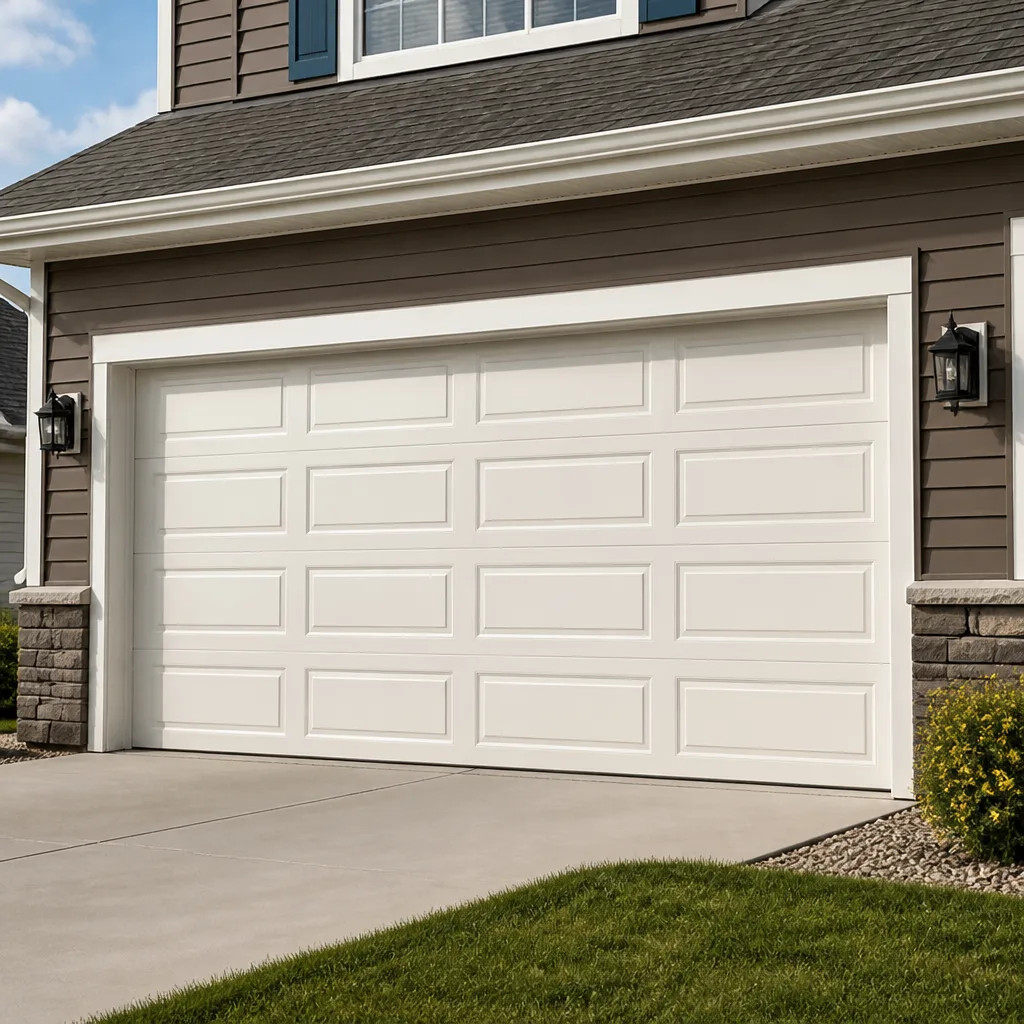 Raised-panel steel
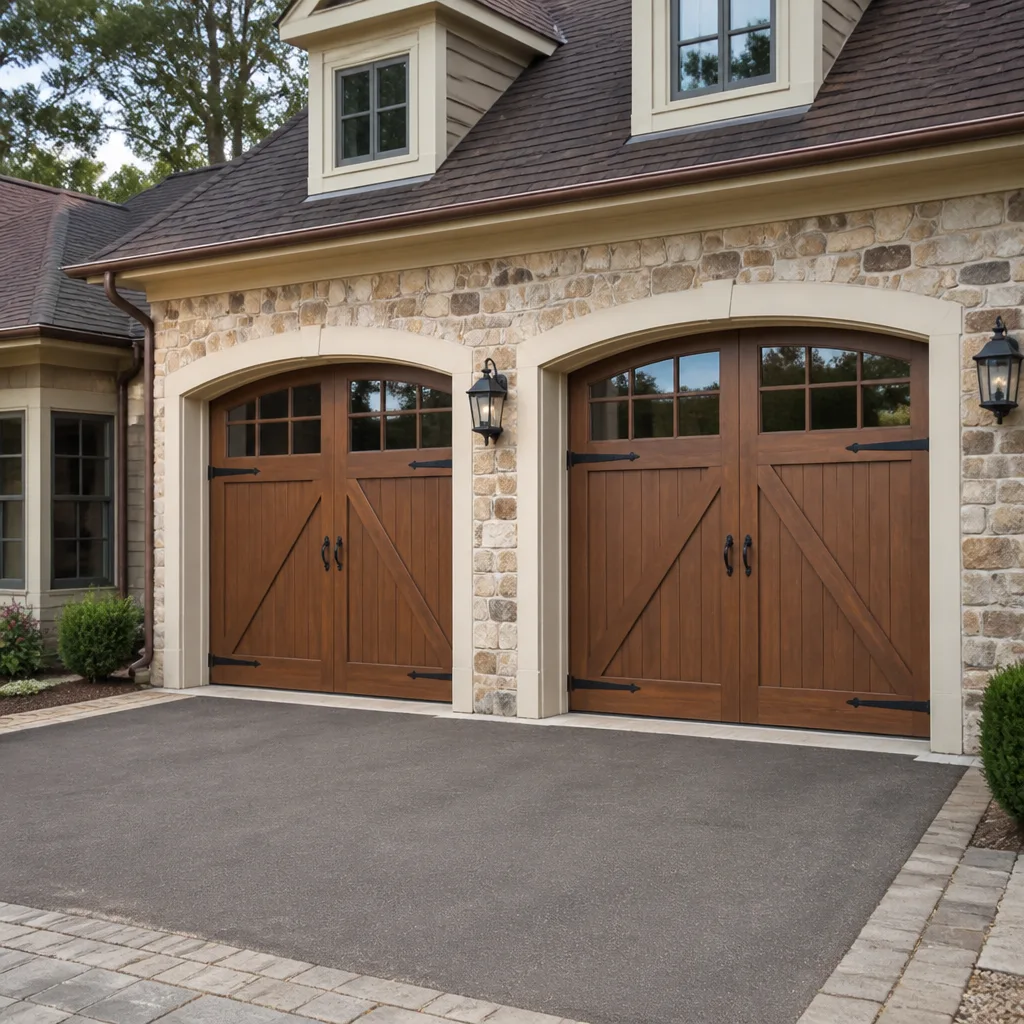 Carriage house
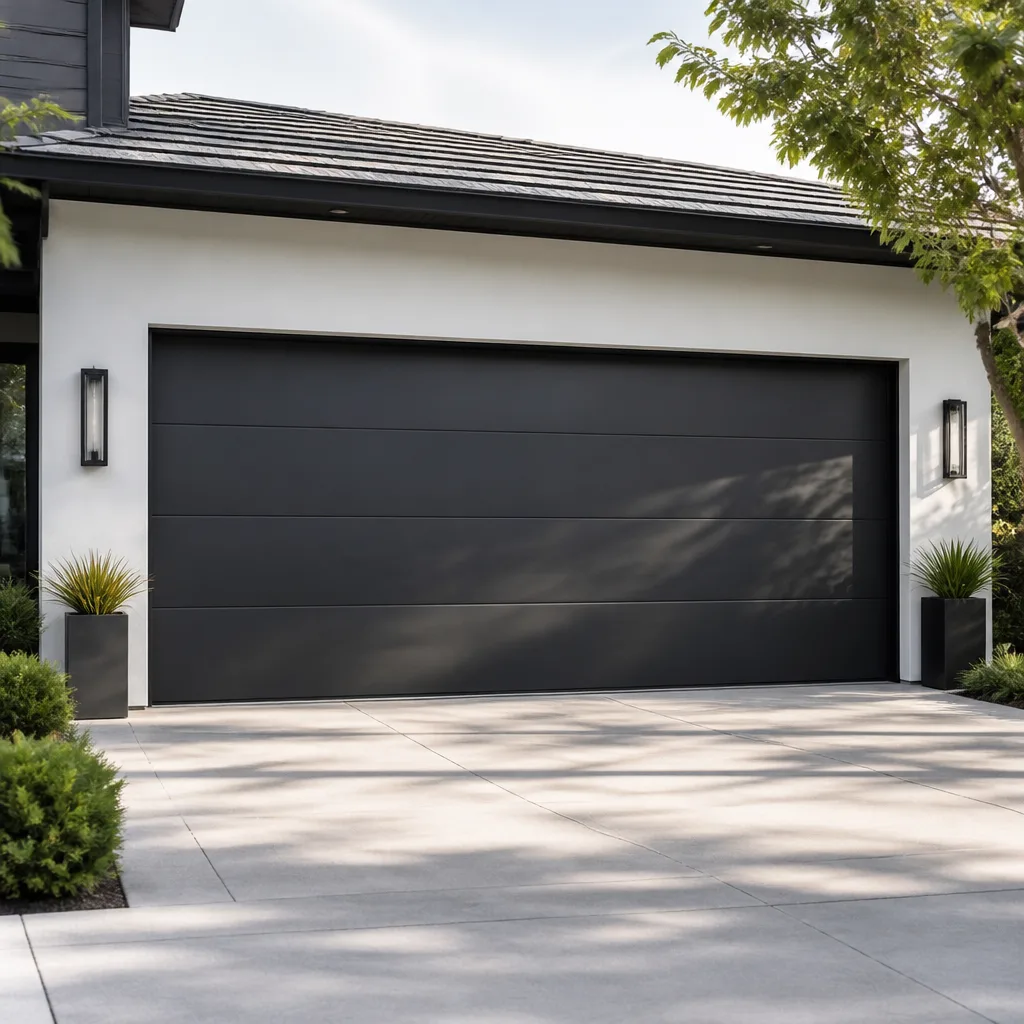 Modern flush
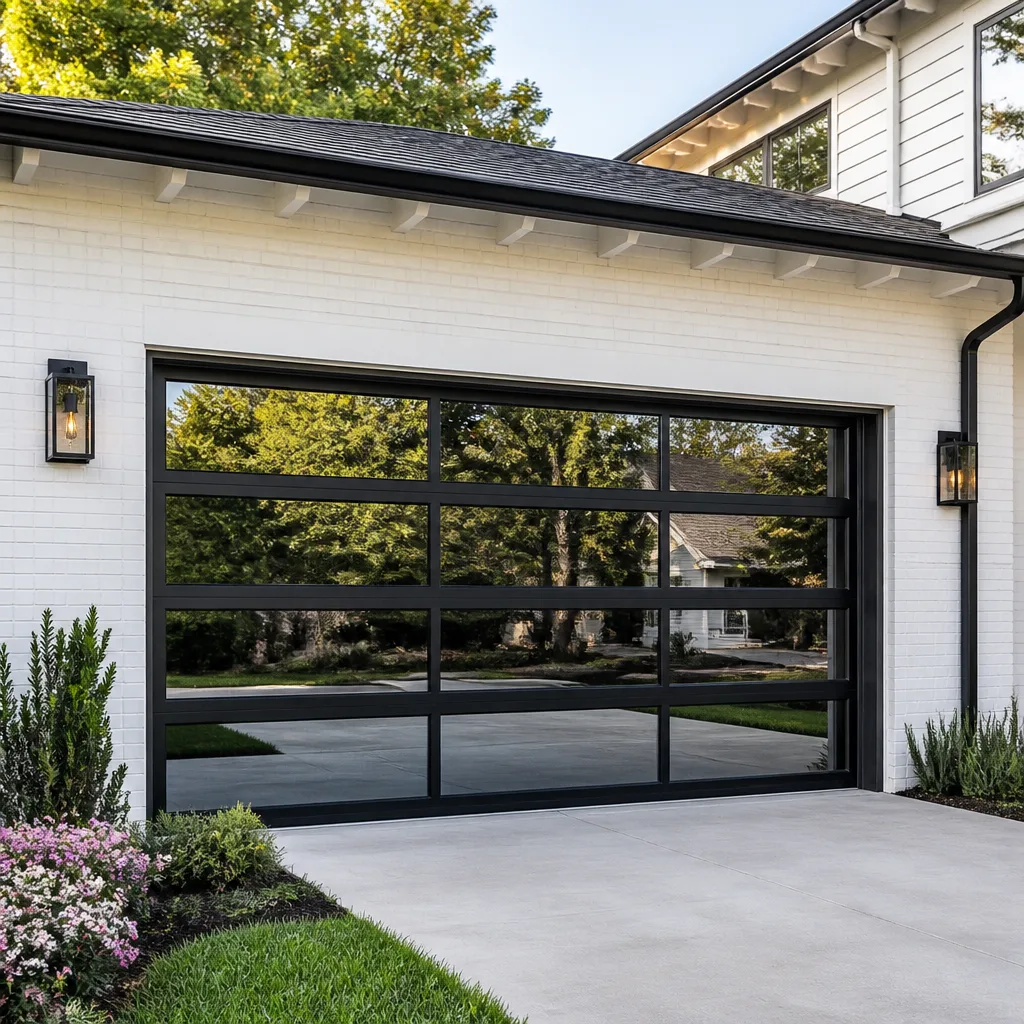 Full-view glass
 LiftMaster openers
 Chamberlain openers
Full 25-point door and opener safety check with every visit - springs, cables, rollers, tracks, and your LiftMaster or Chamberlain opener included
You get a price before we start. It does not change when the pro arrives.
Get your free estimateGarage Door Repair Maintenance Checklist for Kingfield Homeowners
The repair technicians find most often on “well-maintained” garage doors around Kingfield isn’t a snapped spring. It’s a corroded bottom seal bracket that has been quietly transferring stress to the cable drum for two winters. The spring gets the attention because it’s the part that breaks loudly. The bracket is the part that fails silently, and by the time a door starts hanging crooked, the damage has already moved up the system. This guide ranks maintenance tasks by what they cost you when ignored, not alphabetically. You’ll get cold-climate checks built for Minnesota winters, a real spring-balance test, and the opener force adjustment most checklists leave out entirely.
Quick Answer
A solid garage door maintenance checklist for a Kingfield home should cover the bottom seal and its brackets first, then the springs and cables, the opener force settings, the tracks and rollers, and the weatherstripping around the frame. Prioritize the tasks by the cost of the damage they prevent rather than by how easy they are to do. In our cold climate, the bottom seal and threshold are where most avoidable damage starts, and the opener force setting is the check most homeowners skip before and after winter.
Styles & brands we work with
- Raised-panel steel
- Carriage house
- Modern flush
- Full-view glass
- LiftMaster openers
- Chamberlain openers
Table of Contents
- The Failure-Ranked Checklist: Order Tasks by Cost of Damage
- Bottom Seal and Bracket Checks for Cold-Climate Doors
- How to Test Spring Balance and Read the Result
- Opener Force Adjustment Checks Before and After Winter
- Weatherstripping Gaps and Threshold Heave
- Tracks, Rollers, and Hinges: The Moving Parts
- Which Tasks Void a Warranty or Risk Injury Without Pro Tools
- A Simple Seasonal Maintenance Calendar for Kingfield
The Failure-Ranked Checklist: Order Tasks by Cost of Damage
Most checklists tell you to lubricate the rollers and listen for noise, listed in no particular order. That’s backwards. The point of maintenance is to catch the failures that cost the most when they’re missed, and those failures don’t happen in alphabetical order. Here’s how we rank them for a Kingfield home, from most expensive to least.
- Bottom seal and its brackets. A rusted or bent bracket transfers load to the cable drum. Ignoring it can mean a cable, a drum, or a crooked door, and the bill climbs fast. This is the number-one silent failure in cold-climate homes.
- Springs and cables. A worn spring is a safety issue and a balance issue. Left alone, it wears the opener and stresses the cables. Cables and springs are the highest-tension parts on the door, so never adjust them yourself.
- Opener force settings. A force setting that’s too high masks a problem by forcing the door through resistance. That accelerates wear on the opener and the door’s moving parts.
- Weatherstripping and threshold gaps. Small gaps let in cold air, snowmelt, and pests. Left through a Minnesota winter, they push moisture against the frame and the bottom of the door.
- Tracks, rollers, and hinges. Worn rollers and loose hinges are cheap to fix and get expensive when they’re ignored, because a misaligned track drags on everything else.
- Lubrication and general listening. Useful, but low stakes on its own. A noisy door tells you something else is wrong; it isn’t the problem itself.
If you only do the top three checks twice a year, you’ll prevent more damage than a homeowner who lubricates everything monthly. When a door has been neglected long enough that the bottom of the system is failing, garage door repair will usually find the root cause faster than a checklist can point it out.
Bottom Seal and Bracket Checks for Cold-Climate Doors
The bottom seal is the rubber strip along the bottom edge of the door, and it lives under more stress in Kingfield than almost anywhere else in the country. Freeze-thaw cycles, snow packed against the door, and ice at the threshold all press on it. The seal itself is cheap. The bracket that holds it, and the cable drum the bracket stresses, are not.
Here’s what a cold-climate bottom seal check looks like:
- Look for cracks and flat spots. A seal that’s cracked or crushed flat no longer seals, and a flat seal holds moisture against the door.
- Check the brackets for rust. Rust on the bottom bracket is the early warning that the bracket is weakening and transferring load to the drum.
- Test for play. Gently press the bottom bracket. Any wobble or movement means it needs attention before winter, not after.
- Clear ice and debris. Packed snow and ice at the threshold stress the seal every time the door comes down.
- Look at the drum and cable where they meet the bracket. If you see fraying on the cable or rust on the drum, stop and get help.
In our experience, this is the single most overlooked check in Kingfield. Doors that look fine from the driveway often have a rusted bracket slowly pulling the cable drum out of alignment, and the repair is far cheaper when it’s caught before the door starts hanging crooked. Push the check to the top of your list every fall.
How to Test Spring Balance and Read the Result
Springs carry the weight of the door. When they weaken, the opener does more work, the door feels heavier, and the whole system wears faster. You can test the balance safely without touching the springs, and the result tells you how much life is left.
- Disconnect the opener. Use the release handle to pull the door off the opener’s drive. The door should now move by hand.
- Lift the door to about halfway. Do it slowly and with both hands.
- Let go at the halfway point. A balanced door holds roughly where you left it. It should not fall, and it should not rise on its own.
- Note what happens. If it drops, the springs are weak. If it rises, they’re over-tensioned. Either way, don’t adjust the springs yourself.
- Reconnect the opener. Only after the door is back down and the release is re-engaged.
What the numbers mean: a door that holds its position at halfway is in balance and the springs still have life in them. A door that falls more than a foot or two after release is telling you the springs are losing tension, and that’s the sign to have them checked. A door that rises on its own is rarer and more serious. Either result is a professional call. Springs are the highest-tension part of the system and store enormous energy, so they should only ever be worked on by a trained technician. Spring repair is one of our named specialties, and it’s the reason a balance test result should always lead to a call rather than a self-repair attempt. If you want the full picture of how a spring job is handled, Garage Door Repair Kingfield is the place to start.
Opener Force Adjustment Checks Before and After Winter
This is the step most checklists skip, and it matters more in Kingfield than almost anywhere. The opener has two force settings, one for opening and one for closing. They tell the unit how hard to push. If they’re set too high, the opener forces the door through resistance and wears out the door and itself. If they’re set too low, the door reverses when it hits a small amount of ice or a slightly stiff seal.
Check the force settings before and after winter, because the cold changes how the door moves:
- Before winter: confirm the door opens and closes smoothly by hand with the opener disconnected. If it doesn’t, the opener’s force setting is compensating for a mechanical problem that the cold will only make worse.
- After winter: test the safety reverse. Lay a small object across the threshold and confirm the door reverses on contact. Repeat the balance test from above.
- Match force to the season: a stiff, cold seal can trip a force setting that was fine in the fall. If the door reverses on its own during the coldest weeks, the answer is to fix the seal or the threshold, not to crank up the force.
Most openers made by LiftMaster, Chamberlain, and Genie have force controls that are easy to adjust, but easy to adjust wrong. If you’re not sure which direction to turn them, it’s safer to have a technician check it. Force settings exist to protect people and property, and a setting that’s out of spec is a safety problem. If your opener has been fighting the door all winter, garage door opener repair can sort out whether the unit or the door is the real problem.
Weatherstripping Gaps and Threshold Heave
The weatherstripping around the door frame and the seal at the threshold are what keep the outside out. In Kingfield, the ground moves with the freeze-thaw cycle, and the threshold can heave. When it does, the bottom of the door no longer meets the seal, and cold air, snowmelt, and pests get in.
What to check around the frame:
- Run your hand around the inside edge of the frame on a cold day. A steady draft means a gap the weatherstripping isn’t covering.
- Look for daylight under the door with the door closed and the garage dark. Any light along the bottom is a seal gap.
- Check the threshold for heave. A raised or cracked section of the threshold is common after a hard Minnesota winter.
- Look for pests and moisture. A gap large enough for a draft is large enough for mice and snowmelt.
A small weatherstripping gap is a cheap fix. Left through a winter, it pushes moisture against the frame and the bottom panel of the door, and that’s where you start to see rust and rot. If a threshold has heaved enough that the bottom seal can’t reach it, the seal won’t fix the problem on its own. A technician can tell you whether the door just needs adjustment or whether the bottom of the opening needs work.
Tracks, Rollers, and Hinges: The Moving Parts
Tracks, rollers, and hinges are the door’s joints. They’re the cheapest parts in the system and the easiest to ignore until they’re dragging on everything else. The check is quick.
- Look down both vertical tracks. They should be straight and parallel. A bent track drags on the rollers and forces the door.
- Look at the horizontal tracks. Same check. Dents and bends are worth flagging.
- Spin the rollers by hand. They should turn freely with no grinding. A worn roller is cheap to replace.
- Check the hinges at the panel joints. A loose or worn hinge lets the panels shift.
- Lubricate moving parts with a proper garage door lubricant, not grease and not WD-40. Several times a year is plenty in our climate.
- Listen. A door that’s gotten noticeably louder is telling you a roller, hinge, or track is wearing.
In Kingfield, the cold thickens any old lubricant still on the rollers, which makes a door stiffer in January than it is in October. That stiffness puts extra load on the opener, so the track and roller check pairs naturally with the force check. A noisy door isn’t always a repair. Sometimes it’s a worn roller doing its job of warning you.
Which Tasks Void a Warranty or Risk Injury Without Pro Tools
A maintenance checklist should be honest about the line between “you can do this” and “stop.” Here’s where the line is.
- Springs and cables. Never adjust, remove, or try to repair a torsion or extension spring or its cable. Springs store enormous energy and can cause serious injury without warning. Cable work is in the same category. This is professional work, always.
- Torsion assembly and winding. Some jobs need a winding bar and specific training. Attempting them without the right tools and knowledge is genuinely dangerous.
- Opener electrical work. If a repair means opening the unit and working with its wiring, that’s a technician’s job. The opener’s force and safety settings are adjustable, but internal repairs are not a homeowner task.
- Replacing a door panel or a whole door. Panels are heavy, and a door that’s installed out of balance or off-track is a safety hazard. This is a job for a professional installer.
- Anything requiring installation or removal of the door from its tracks. Leave it to a trained technician. A door that falls off its track can injure someone badly.
As a rule, anything that touches the tension in the system, the electrical parts of the opener, or the door’s mounting is professional work. Cleaning, lubricating, testing the force setting, and checking the seal are the tasks you can safely do yourself. For the rest, a technician with the right tools and training should handle it, and that’s the whole point of the safety checks above. If the system has passed the point of simple maintenance, garage door installation covers the replacement side.
A Simple Seasonal Maintenance Calendar for Kingfield
You don’t need a monthly routine in Kingfield. You need a few well-timed checks built around the freeze-thaw cycle, plus a quick pass in the middle of each season.
Early fall (before the first hard freeze):
- Run the full failure-ranked checklist, top to bottom.
- Inspect the bottom seal and its brackets for rust and play.
- Test the spring balance and note the result.
- Confirm the opener’s force and safety reverse settings.
- Check the threshold and weatherstripping for gaps.
- Lubricate the moving parts and clear the tracks.
Mid-winter (after the coldest stretch):
- Repeat the balance test and the safety reverse test.
- Clear packed ice and snow away from the seal and threshold.
- Watch for a door that reverses on its own, which usually means a stiff seal is tripping the force setting.
Spring (after the thaw):
- Check the threshold for heave.
- Inspect the bottom seal for damage from the winter.
- Re-test the opener’s force settings now that the door is moving freely again.
- Clear any debris or grit that washed into the tracks.
Two to three passes a year around that cycle will catch almost everything before it becomes expensive. A Kingfield homeowner who does the fall and spring passes is doing more than most.
Common Mistakes to Avoid
- Ranking maintenance by ease instead of cost. Lubricating the rollers is easy, so most people do it first and let the bottom brackets rust. The bracket is the expensive miss.
- Cranking up the opener force to solve a stiff door. A force setting that’s too high masks a problem and wears out the opener. It’s how a small issue becomes a bigger one.
- Skipping the pre-winter check. In Kingfield, the cold is what finds the weak points. A door that passed in October can still fail in January, so a quick re-check before the hard freeze is worth the time.
- Assuming a quiet door is a healthy door. A noisy door is a warning; a silent door that’s out of balance may not make a sound before a cable or spring gives out.
- Using grease or a general-purpose spray on the rollers and tracks. The wrong lubricant attracts grit, which is worse than none. Use a garage door lubricant.
- Ignoring a gap under the door through the winter. Snowmelt and pests find that gap, and the moisture it lets in is what starts rust and rot at the bottom of the door.
- Attempting spring or cable work yourself. This is the mistake with real injury risk, and it’s the one our trade never stops warning people about.
See the difference
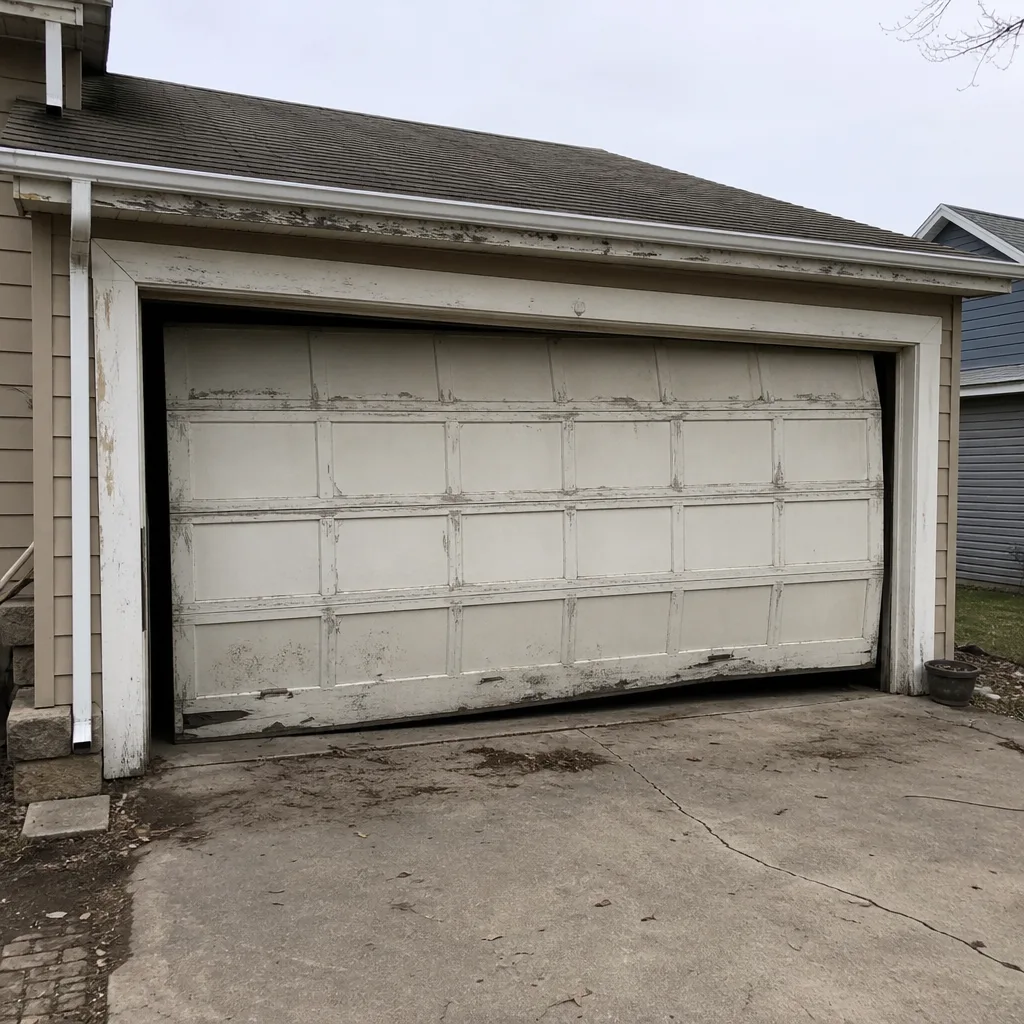 Before
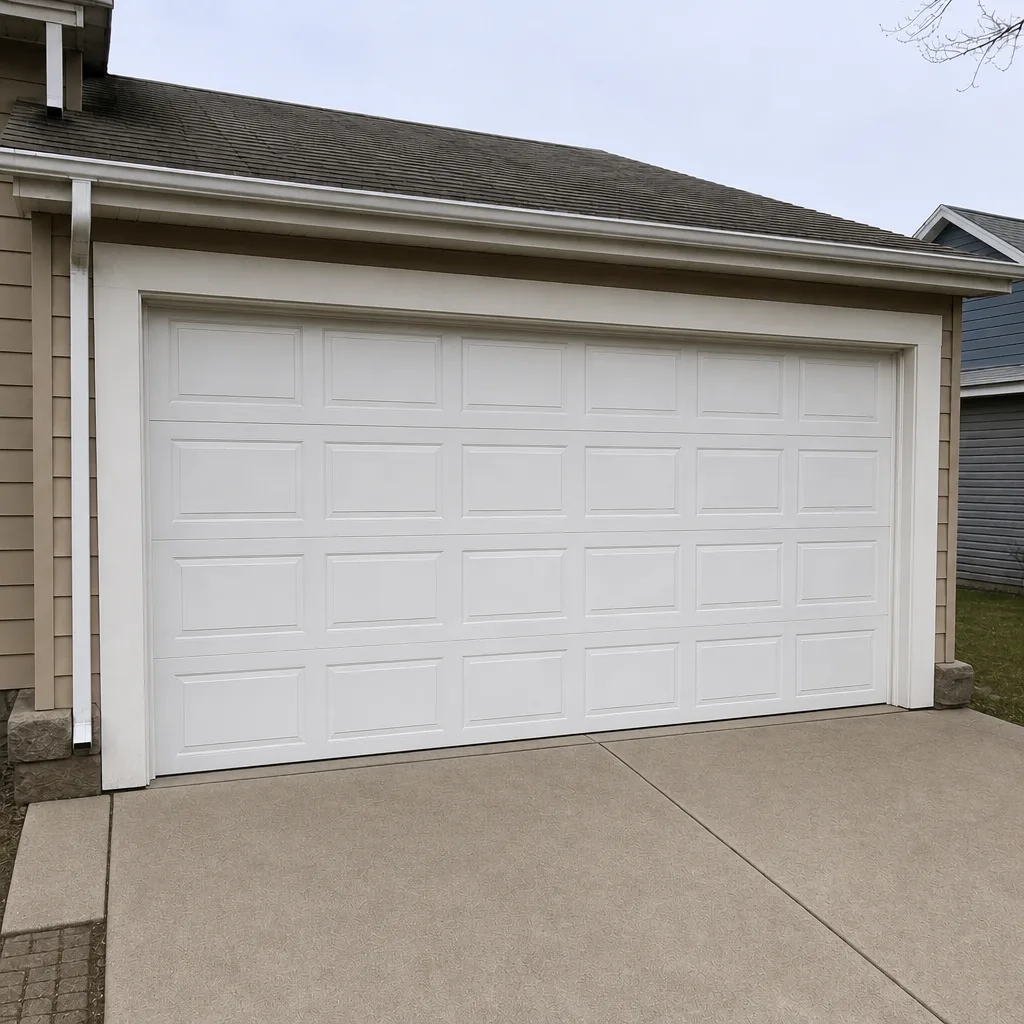 After
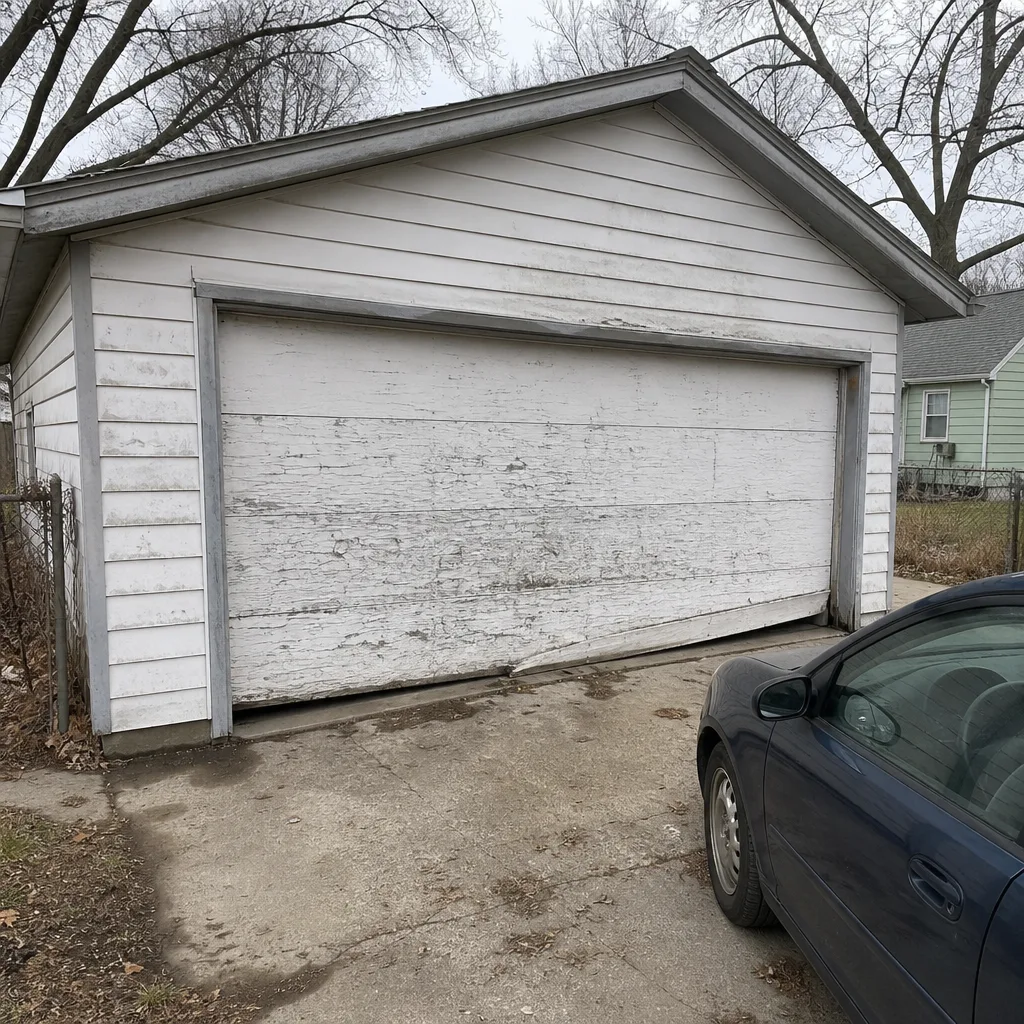 Before
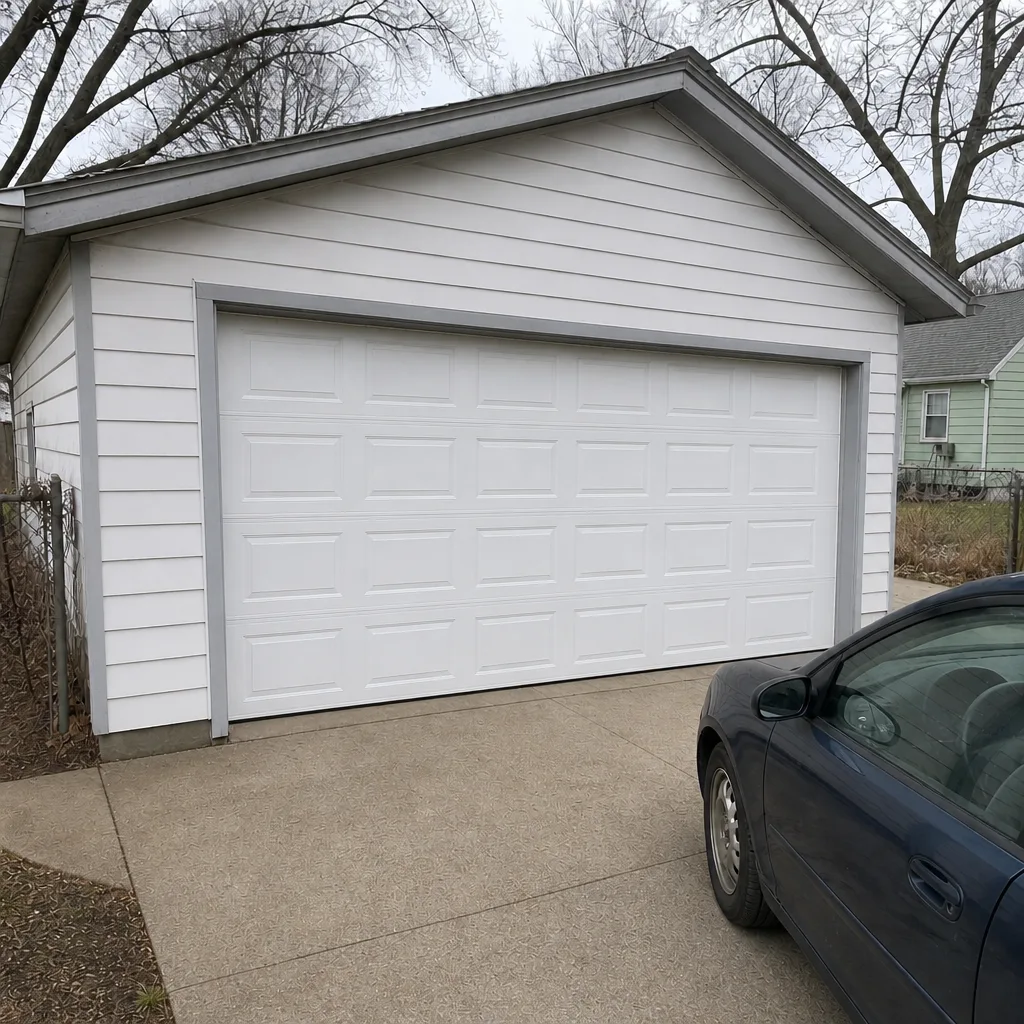 After
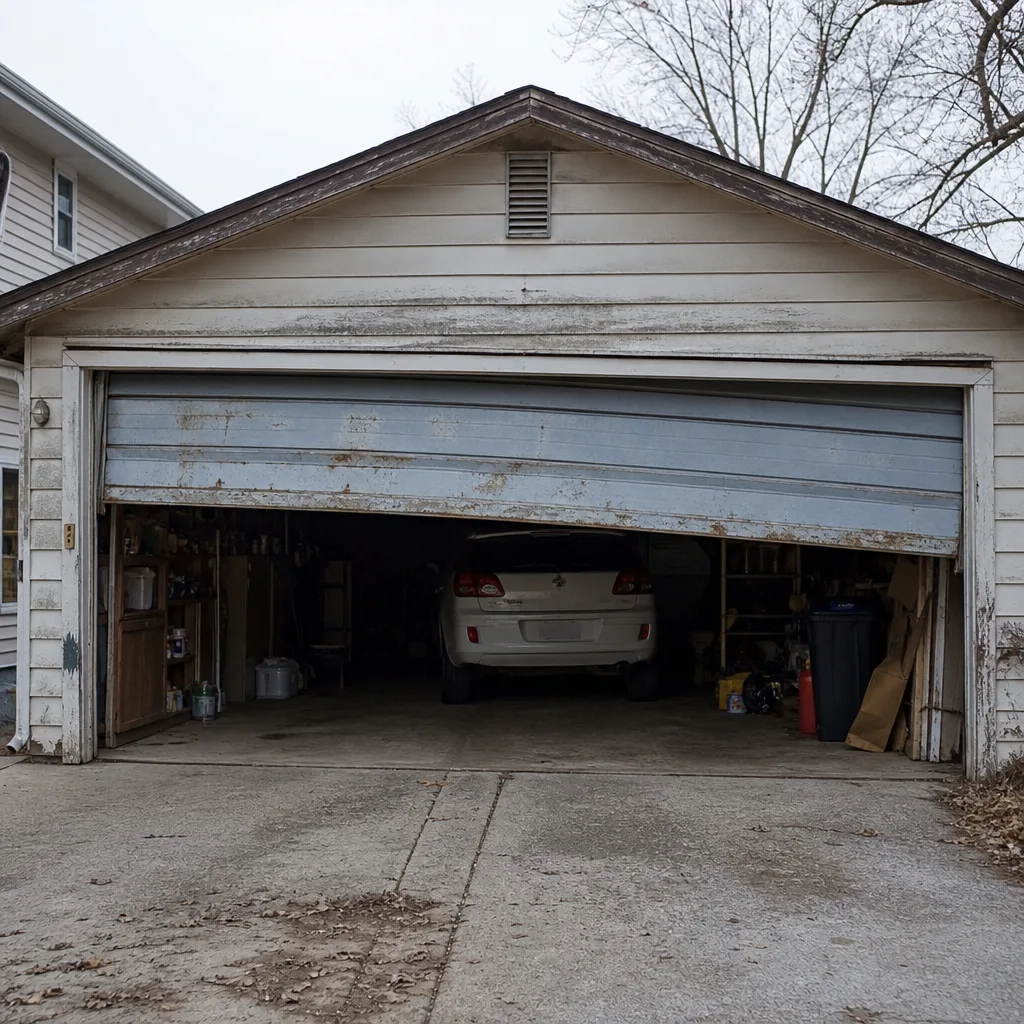 Before
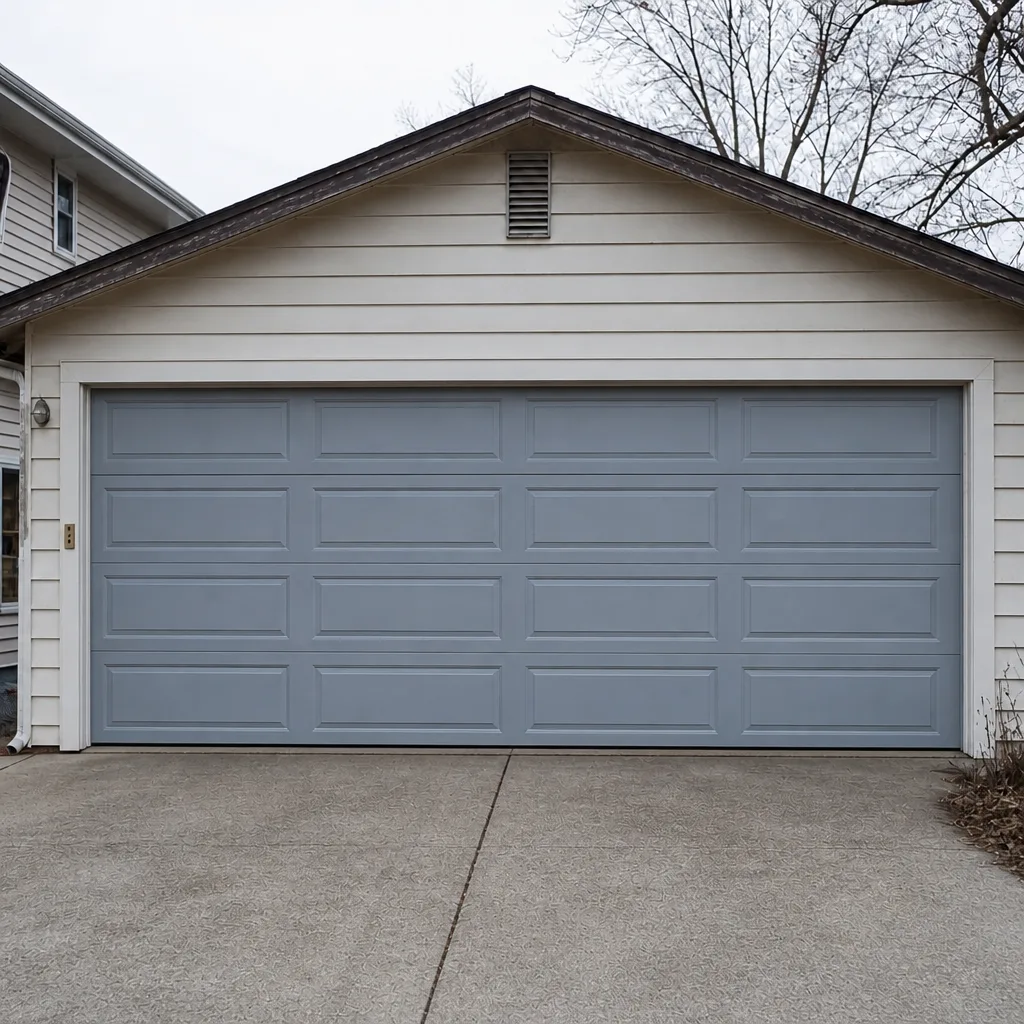 After
When to Call a Professional
Call a technician when the balance test shows the door dropping or rising on its own, when the bottom bracket is rusted, bent, or loose, when the opener reverses for no reason or needs its force setting pushed to work, or when a track is bent or the door is off its track. Also call when the door is straining against a gap at the threshold that a seal can’t fix, or when anything in the system is making a new sound. Springs and cables are always a professional call, no exceptions. Garage Door Repair Kingfield offers free estimates in Kingfield and works on Raynor, LiftMaster, Chamberlain, and Genie systems among the eight brands we service. Call (877) 492-3659 and we’ll tell you what your door needs, at a price quoted before any work starts.
Frequently Asked Questions
Servicing twice a year is a reasonable schedule in Kingfield, with the fall service timed before the first hard freeze and the second after the spring thaw. The freeze-thaw cycle is what stresses the bottom seal, the threshold, and the opener’s force settings, so those two checkpoints catch most of what goes wrong. A homeowner who does a mid-winter balance test and a safety reverse test is well ahead of the curve.
You can test the door’s balance by hand with the opener disconnected, but never adjust, remove, or repair the springs themselves. The balance test tells you whether the springs are holding the door; handling the springs themselves is a professional job because they store enormous energy and can cause serious injury. If the door drops or rises on its own at the halfway point, call a technician.
A door that reverses during the cold months is usually meeting resistance from a stiff bottom seal, packed ice at the threshold, or a force setting that’s out of spec for the season. The fix is to clear the threshold, check the seal, and have the opener’s force and safety settings tested, not to raise the force until the door pushes through. Cranking up the force masks the problem and wears out the opener.
A rusted bottom seal bracket is the most expensive part to ignore, because it silently transfers stress to the cable drum for a full winter before the door starts hanging crooked. By the time the door is visibly off-level, a bracket repair has turned into a cable or drum job. A pre-winter check of that bracket is the highest-value five minutes in the whole checklist.
We work on LiftMaster, Chamberlain, Genie, Clopay, Amarr, Wayne Dalton, Craftsman, and Raynor systems, among the eight major brands we service. Brand-specific knowledge matters on repairs like springs and openers because the parts and settings differ by manufacturer. If your door or opener is one of those brands, we can work on it without pushing a replacement you don’t need.
Leave it alone, don’t force it, and call for emergency service. A door that won’t move can be a broken spring, a snapped cable, or an opener failure, and forcing it risks injury and further damage. Garage Door Repair Kingfield offers emergency garage door service for exactly this situation. Call (877) 492-3659 and we’ll get it moving.
The Bottom Line
Rank your maintenance by what the damage costs, and the order becomes obvious. Bottom seal and brackets first, then springs and cables, then the opener’s force settings, then weatherstripping and the threshold, then tracks and rollers. In Kingfield, the cold is what finds the weak points, so a fall check before the hard freeze and a spring check after the thaw will prevent more damage than a monthly lubrication habit. Leave the springs, the cables, and the door’s mounting to a technician. And if the balance test, the force test, or a rusted bracket tells you the system is past the maintenance stage, call us and we’ll give you a free estimate with a price quoted before any work starts.
Our technicians have up to 10 years of experience across the eight major garage door brands, and we put that experience to work on the cold-climate failures covered in this guide every day in Kingfield. Call (877) 492-3659 for a free estimate and one call covers everything your door needs.
Written by the team at Garage Door Repair Kingfield.